Five Netflix Shows That Become Unrecognizable After Episode One
When the Ship Changes Course
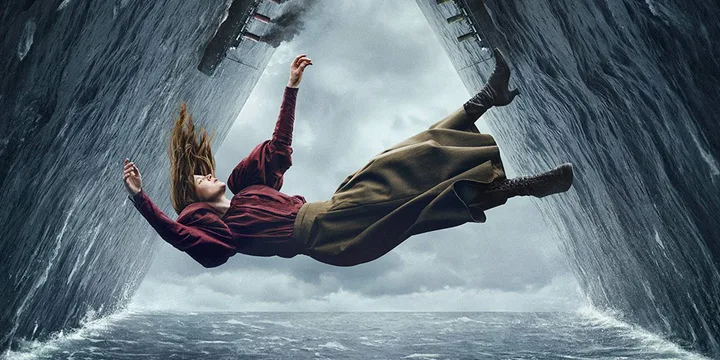
1899 opens like a prestige period drama with cheekbones and fog. It’s the titular year. A steamship crosses the Atlantic. Passengers speak six languages, harbor secrets behind locked cabin doors, and stare at each other across the class divide with beautiful, loaded suspicion. The Dark creators, Baran bo Odar and Jantje Friese, seem to be delivering exactly what the title promises.
Then an abandoned vessel appears on the horizon. A boy is found alive inside. A small pyramid-shaped object surfaces. By episode two, the historical trappings dissolve — the walls of reality begin breathing, and what felt like a slow-burn mystery about immigration and trauma reveals itself as full-blown existential horror. The period costumes stay. The period logic does not.
When Netflix canceled 1899 after one season, following a finale that obliterated every assumption the pilot had carefully laid, the outrage was immediate and loud. Fans had signed up for a slow puzzle box and gotten their minds rewired instead. That sting doesn’t fade.
The Loop That Stops Being Funny
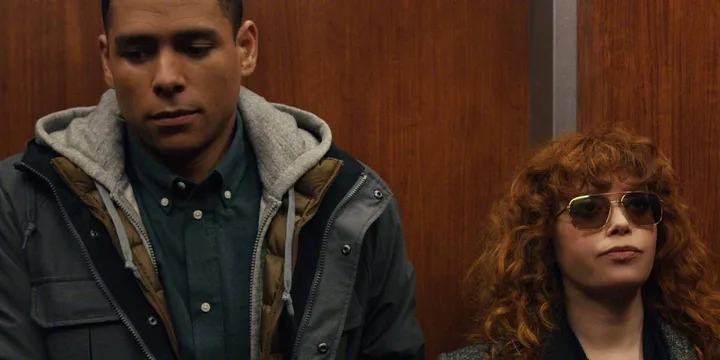
Russian Doll introduces Nadia Vulvokov at her own birthday party in a Manhattan bathroom, staring at a chipped mirror, cigarette in hand. She’s sharp, nihilistic, funny as hell. When she dies that first night and wakes back up at the party, it plays like dark comedy — Groundhog Day with better shoes and worse decisions.
Episode two is where the laughs curdle. The loop doesn’t just restart — it tightens. Things vanish. People Nadia knows cease to exist. The comedy framework the pilot established gets dismantled piece by piece, replaced by something rawer: a woman confronting the specific wreckage of her own grief and guilt. Repetition stops being a punchline and becomes a diagnosis.
Creator Natasha Lyonne never abandons the wit — she buries it under accumulating dread. Season two doubles down on psychological complexity, dragging the story further from its quirky origins. But the shift that matters most happens quietly, between episodes one and two, when the show decides it has something real to say.
Children’s Game, Adult Horror
Squid Game’s pilot is, on its surface, a character study. Seong Gi-hun is broke, reckless, and losing. The show lingers on his specifics — the gambling debt, the estranged daughter, the aging mother. South Korean social critique simmers beneath, but the first episode feels grounded, even restrained.
The final minutes of episode one detonate that restraint. Hundreds of adults playing Red Light, Green Light. A mechanical doll that turns and kills. A massacre so grotesque it reframes everything before it as prologue. Squid Game isn’t a drama about poverty — it’s sociopolitical horror, a system designed to consume the desperate while the powerful watch from glass rooms above.
Bong Joon-ho did something similar in Parasite: the disarming setup, then the floor drops out. Squid Game’s third season pushes the point to its brutal conclusion. The system has no back door. It was built without one on purpose.
The Sweetest Apocalypse on Television
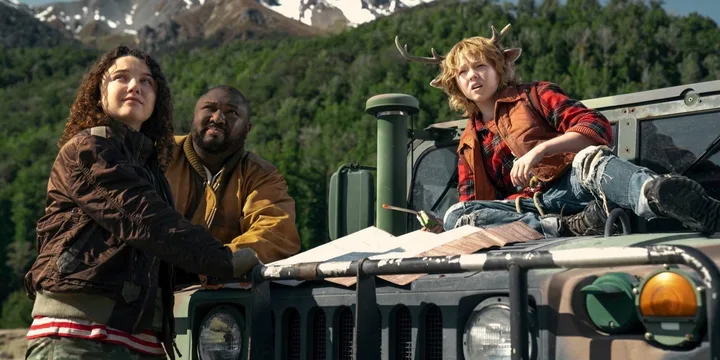
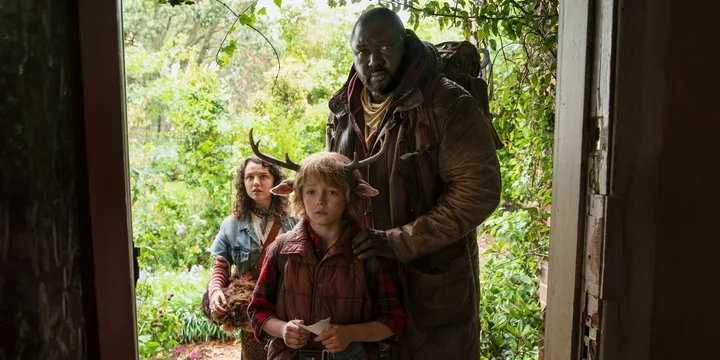
Gus has antlers, a father who loves him, and a forest he’s never left. Sweet Tooth’s first episode is warm in a way that feels almost radical for a post-apocalyptic story. Deer hybrids exist. So does a plague that may have caused them. But through Gus’s wide eyes, the end of the world looks like an adventure waiting to happen.
That warmth is a trap. The world beyond the forest tortures hybrid children. Adults in Sweet Tooth do things to kids that the storybook aesthetic of episode one could not have prepared anyone for. The show earns its darkness honestly — Gus stays the same earnest, wondering character throughout — but the world he walks through grows progressively grimmer around him.
His bond with the gruff, reluctant protector known as Big Man becomes one of the better odd-couple relationships in recent TV. The sweetness survives. What it survives against is the whole point. The series finale makes that argument without flinching.
Agents of a Future That Doesn’t Exist Yet
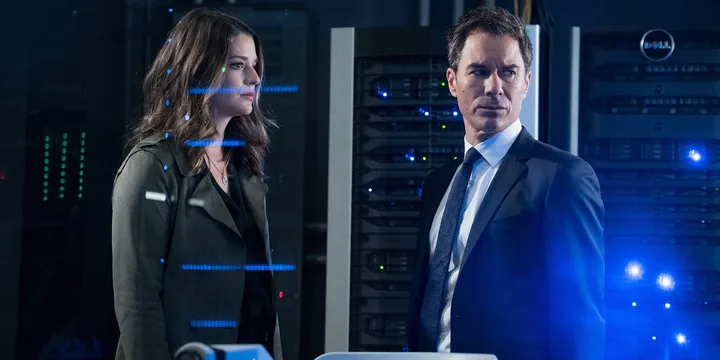
Travelers starts as a procedural. Federal agent Grant MacLaren leads a team. There’s a case. There’s tension. It could be any number of competent crime dramas that air Sunday nights and vanish from memory by Tuesday. The pilot is deliberately ordinary — a facade so plain it reads as unambitious.
Then four characters glitch. Their eyes change. Their personalities disappear and return as someone else entirely. By the time episode one ends, the reveal lands: these are travelers, agents sent from a dystopian future back into the 2010s, inhabiting the bodies of people at the recorded moment of their deaths. Their mission is to prevent the catastrophe that shaped the world they came from.
What follows is one of the more underrated sci-fi runs of the streaming era — a show that uses its time-travel premise to ask genuinely moving questions about identity, sacrifice, and what it means to live inside someone else’s life. None of that emotional weight is visible in episode one. That’s precisely the point. The show hides its heart until you’re already invested.