The Most Terrifying Fighters Game of Thrones Ever Put on Screen
Pure Muscle, Zero Mercy
Gregor Clegane doesn’t fight. He exterminates. Standing nearly eight feet in the show’s production design, the Mountain was less a warrior than a walking execution — a man who crushed skulls with his bare hands the way most people crack walnuts. His strength wasn’t cinematic shorthand. It was the whole point.
What made him truly terrifying wasn’t the raw power. It was what happened after Oberyn Martell’s poisoned spear should have killed him. Resurrected by Qyburn into something that no longer flinched at wounds, the Mountain became a horror-movie monster wearing a knight’s armor. When he drove Oberyn’s head into the fighting pit floor in Season 4, half of America stopped breathing.
The Smarter Clegane
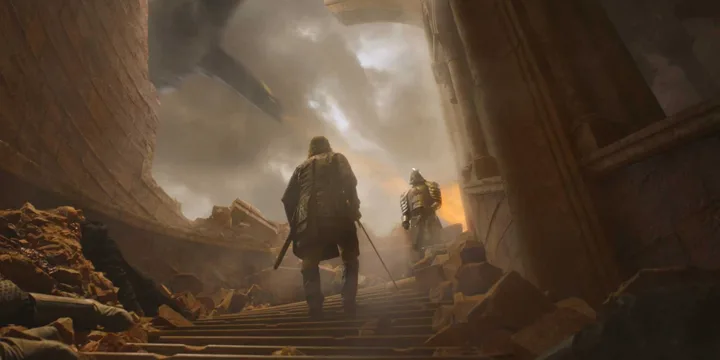
Sandor Clegane got handed the worst possible comparison — measured constantly against his monstrous brother — and somehow carved out a legacy that made him one of the show’s most beloved figures. Where the Mountain swung and crushed, the Hound calculated. Fast feet, controlled blade work, and a brain that actually processed the fight in front of him rather than just powering through it.
Their final confrontation — Cleganebowl, the fan-dreamed clash years in the making — didn’t disappoint. The Hound drove them both into a collapsing inferno because he understood one thing: you don’t beat something that can’t die. You just make sure it dies with you.
The Sea King Who Killed a Dragon
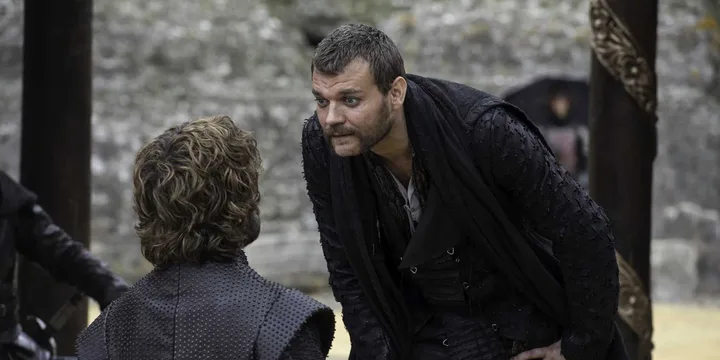
Euron Greyjoy arrived in Season 6 slick with saltwater and casual menace. He murdered his brother in the first scene, talked his way onto the Salt Throne, and spent the rest of the series doing things that made other villains look timid. His weapon of choice was a two-handed battle axe he swung like it weighed nothing.
The scene aboard the Dornish ship says everything. The Sand Snakes — fighters the show had spent episodes establishing as dangerous — were dismantled in minutes. He took wounds that would have dropped anyone else and kept moving. And when Rhaegal fell from the sky, Euron Greyjoy became the only human in centuries to kill a dragon. That line belongs on a gravestone.
The Mercenary Who Plays Dirty
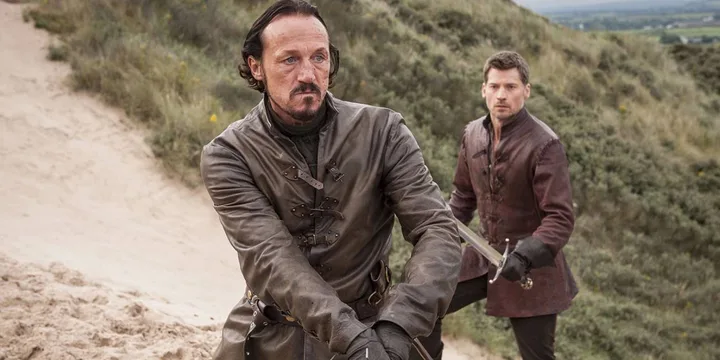
Bronn doesn’t have a house. Doesn’t have a code. Doesn’t have the faintest interest in honor. What he has is the sharpest read of any opponent he faces and the absolute willingness to exploit whatever he finds. He showed up in the Vale as nobody, won a trial by combat for Tyrion against a heavily armored knight, and did it by making the knight chase him until exhaustion set in.
That’s Bronn’s signature: he watches, identifies the gap, and steps through it. He never fights anyone with a carved-in-stone legendary reputation — but the implication is clear. He probably would have found that gap too.
The Knight Who Earned Every Scar
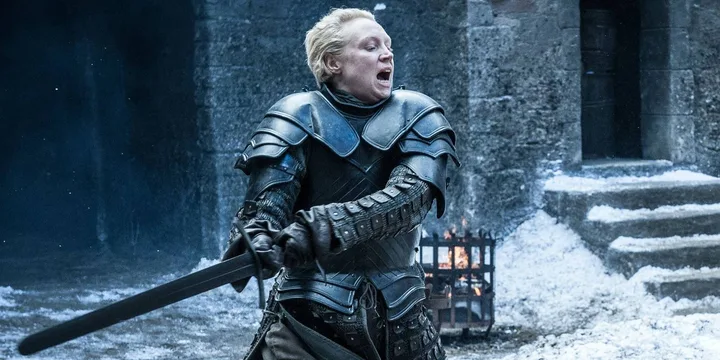
Brienne of Tarth walked into her first scene and beat Loras Tyrell at a tournament. The crowd didn’t cheer. That’s the detail that matters — the way the show framed her wins not as celebration but as social discomfort, which only made her more compelling.
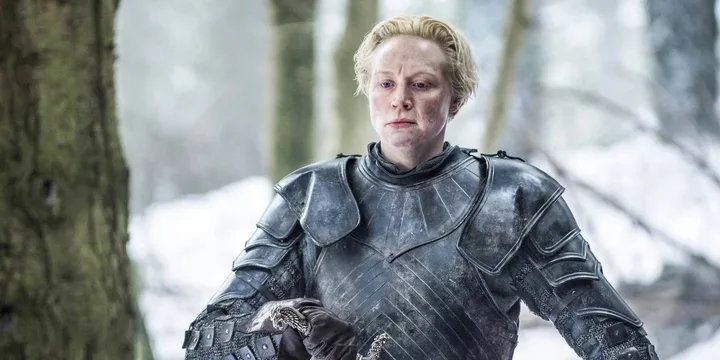
She bested the Hound in a raw, brutal brawl. She killed multiple armed pursuers at the same time. She trained Arya Stark. When Jaime knighted her by firelight in Winterfell’s great hall, it landed the way it did because the show had spent seven seasons showing exactly what she’d sacrificed to deserve it. Whether Jaime at his peak could have beaten her is one of the show’s great unanswered questions — though the evidence suggests he couldn’t.
The Viper’s Last Dance
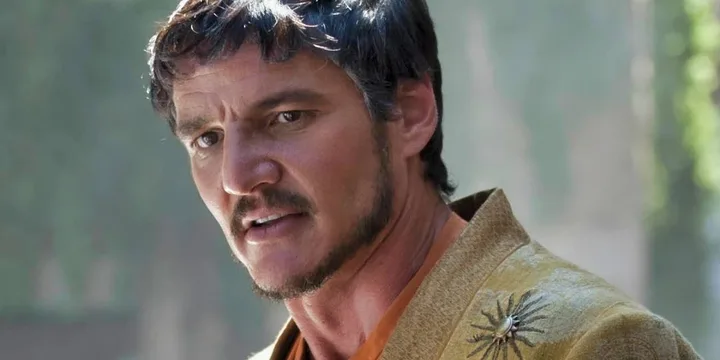
Oberyn Martell’s whole arc is a Greek tragedy in eight episodes. He came to King’s Landing to get justice for his murdered sister, maneuvered himself into the Mountain’s trial by combat, and then — against every tactical instinct — let vanity override victory. He had Gregor Clegane down. The poison was already working. He needed one clean killing strike.
Instead he wanted a confession. He wanted the Mountain to say the name aloud. He circled, demanded, and got close enough for Clegane to grab him. The spear, the reach, the poisons at his disposal — all of it meant nothing in that final second. Cersei’s assessment of him as one of the most feared fighters in Westeros wasn’t flattery. It was a eulogy for a man who beat himself.
“You raped her. You murdered her. You killed her children.” — Oberyn Martell, circling the Mountain one turn too many.
A Girl Has No Name, But Many Faces
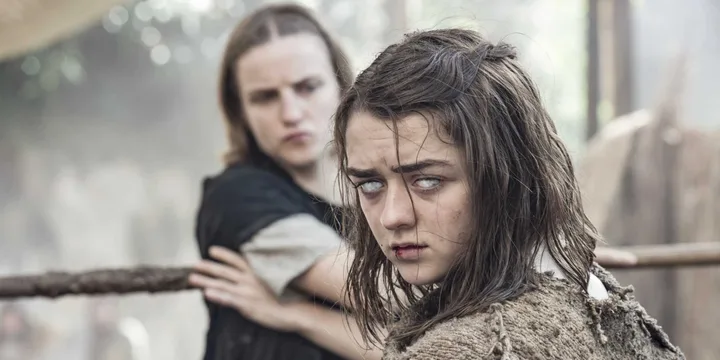
Arya Stark’s training arc is the show’s most methodical. Syrio Forel drilled footwork and water dancing in a King’s Landing basement. The Hound taught her the unglamorous reality of how people actually die. Jaqen H’ghar gave her something far more dangerous: the ability to become anyone. By the time she killed the Night King, she had the most varied combat education in Westeros.
Her advantage was never strength. It was invisibility — physical, social, psychological. Enemies consistently underestimated her, and she let them, right until she didn’t. Needle was a short sword built for speed rather than power, and she used it like a surgeon’s instrument.
The Kingslayer Before the Fall
Jaime Lannister was seventeen when he joined the Kingsguard — the youngest knight in its history. By the time Game of Thrones began, only three men in Westeros, by his own assessment, could match him with a blade. Barristan Selmy’s confirmation of that reputation meant something, given Selmy’s own standing.
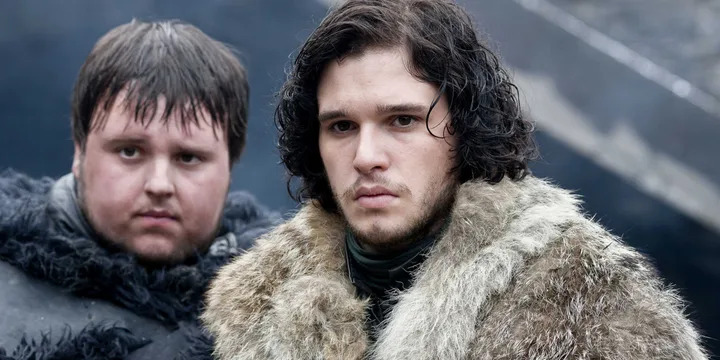
He killed ten of Robb Stark’s soldiers before capture. The loss of his sword hand should have ended him. Instead he retrained, rewired, and came back — eventually killing Euron Greyjoy with one arm in the dragonpit tunnels. Different fighter, same outcome. That adaptation under pressure is what separates legends from casualty lists.
The Old Guard Who Never Softened
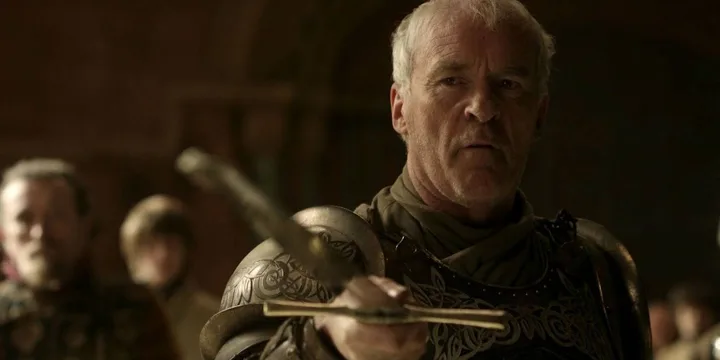
Barristan Selmy’s reputation ran ahead of him like a herald. Ned Stark praised him. Robert Baratheon praised him. Tywin Lannister, a man who praised no one, praised him. When Joffrey dismissed him from the Kingsguard, Selmy threw his sword at the king’s feet and walked out of a room full of armed guards. That scene alone tells you who he was.
The old age didn’t dull him. In Meereen, surrounded and cornered by a dozen Sons of the Harpy, Selmy killed them all. Every last one. In the novels, he never died — and George R.R. Martin’s reluctance to kill him off feels like authorial respect. Some warriors aren’t villains or heroes. They’re just the standard everyone else gets measured against.