The Six Foods That Make Durian Smell Like Perfume
Sweden’s Most Notorious Tin
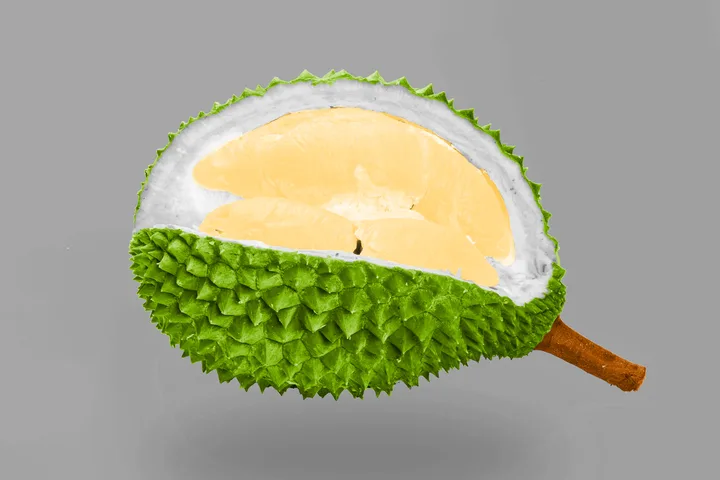
Durian gets all the press. Banned from hotels, ejected from subway cars, described as rotten onions crossed with dead cat — it has built a fearsome reputation across Southeast Asia. But spend five minutes researching truly offensive food smells and durian starts to look almost polite.
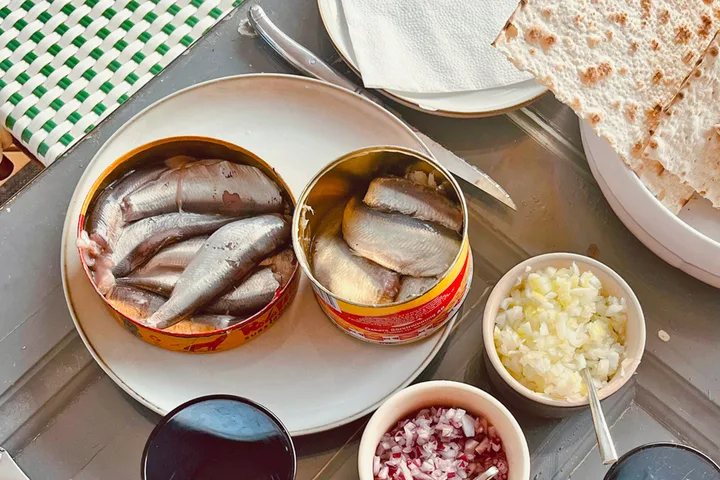
Start with surströmming. This Swedish fermented herring has, in multiple scientific rankings, beaten every other food on Earth for sheer olfactory aggression. The process is simple and horrifying: Baltic herring caught in spring, brined in salt for months, then sealed in tins to keep fermenting. The tins bulge. You open them outside, always outside. A 2002 Japanese study measured the odor compounds and ranked surströmming above everything else tested — a cocktail of propionic acid, butyric acid, and hydrogen sulfide that smells like rotten eggs left in a locker room for a week.
To be fair, cultural context matters. What registers as nauseating to one nose can be deeply comforting to another. But on a purely chemical level, surströmming sets the standard.
Buried in a Seal, Aged Like a Nightmare
Kiviak is a traditional Inuit food from Greenland, and its preparation sounds like a dare. Hundreds of little auk seabirds — whole, feathers on, beaks intact — get stuffed into a hollowed seal carcass. The carcass is sewn shut, coated in grease to repel insects, then buried under heavy rocks for anywhere from three to eighteen months.
When it comes up, the birds have fermented inside the seal’s body cavity. They’re pulled out, plucked, and eaten whole — bones softened by the long fermentation. The smell, predictably, is catastrophic to anyone outside the tradition. From an engineering standpoint, though, it’s a sophisticated solution: a portable, calorie-dense winter food preserved without fire or refrigeration in one of the harshest climates on the planet.
Poisonous Until It Isn’t
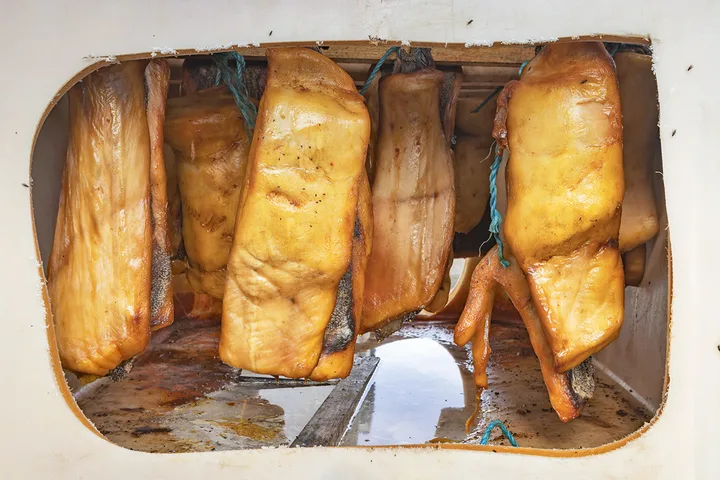
Hákarl, Iceland’s fermented Greenland shark, starts with a genuine problem: fresh Greenland shark meat is toxic. It contains high levels of trimethylamine oxide and urea that will make you violently ill. The solution Icelanders landed on centuries ago was to bury the shark, let it ferment for roughly nine weeks to neutralize the toxins, then hang it in the open air to dry for five months.
What comes out the other end is safe to eat. It smells, most people agree, like industrial-strength ammonia — specifically like a public restroom that hasn’t been cleaned in a month. Anthony Bourdain, who ate almost everything, called hákarl the single worst thing he had ever put in his mouth. Icelanders typically eat it in small cubes, chased immediately with a shot of brennivín. The shot is not optional.
A Fourteenth-Century Discovery Nobody Expected
Korea’s hongeo-hoe has an origin story that doubles as a chemistry lesson. Centuries ago, skate fish being transported inland from the coast somehow arrived without rotting. The reason: skate excrete urea through their skin. During the long journey, the fish essentially preserved themselves in their own waste, fermenting from the outside in.
Rather than throw it out, the people of Jeolla province ate it. The dish caught on. Today hongeo-hoe is considered a regional delicacy, served alongside kimchi, pork belly, and makgeolli rice wine — the combination helping to balance what is, on its own, an ammonia punch strong enough to sting the eyes. The smell draws direct comparisons to uncleaned public restrooms. The taste, fans insist, is worth it.
Detectable From the Next Street Over
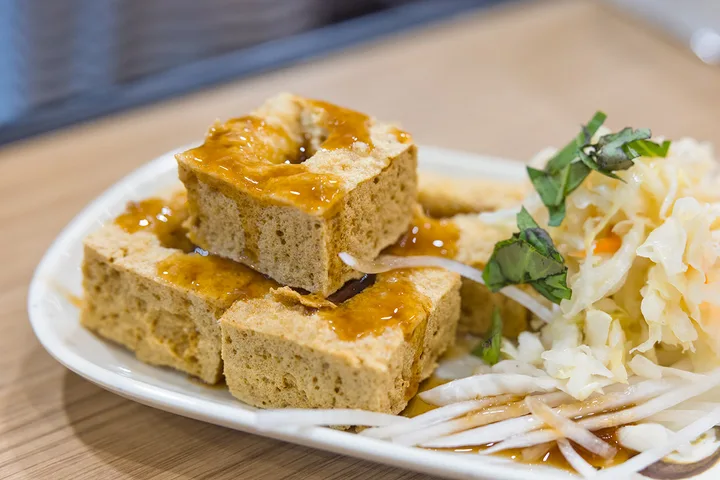
Stinky tofu — chòu dòufu — is everywhere in the night markets of Taiwan, Hong Kong, and mainland China. You smell it before you see the stall. The odor has been compared to rotten garbage, sewage, and feet, which makes it remarkable that it draws consistent lines of customers every evening.
The secret is in the brine. Fresh tofu is submerged in a fermented liquid base of milk, vegetables, and meat, often augmented with dried shrimp, bamboo shoots, winter melon, or local herbs. The brine itself ferments for months or years before use, and the tofu soaks in it anywhere from a few hours to several months depending on how far the producer wants to push the smell. Andrew Zimmern — a man who has eaten insects, organs, and aged cheese on television without blinking — described stinky tofu as having a sour, spoiled flavor like rotten nuts mixed with rotten fish, and genuinely struggled to finish it.
Slime for Breakfast
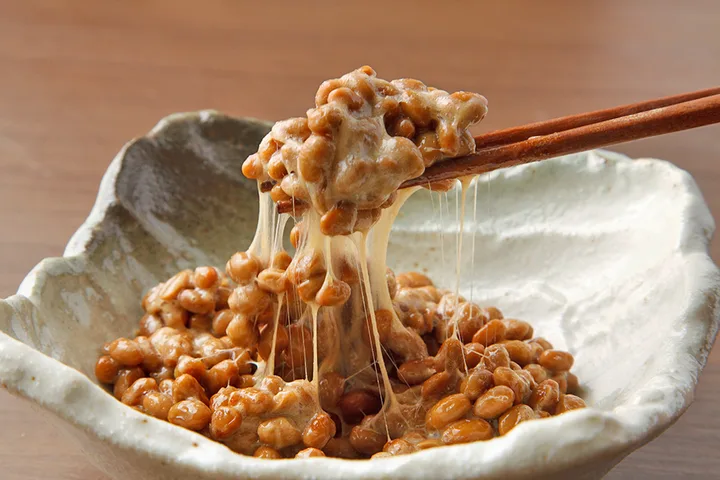
Nattō is proof that a food can be deeply beloved and deeply alarming at the same time. Made from soybeans fermented with Bacillus subtilis bacteria, it’s a standard Japanese breakfast item — eaten by schoolchildren, sold at convenience stores, completely ordinary to millions of people. To the uninitiated, it looks like baked beans that have been coated in mucus and left overnight.
The smell carries notes of ammonia, old socks, and very ripe blue cheese. The texture is stringy, sticky, and clingy in a way that makes it difficult to eat without getting threads of it everywhere. Fans describe the flavor as mild and nutty. Critics gag. The divide is real and passionate. What’s undeniable is that nattō has sustained an entire culture’s breakfast habits for centuries, which means either the smell is genuinely not that bad — or the Japanese have collectively decided it doesn’t matter.
All six of these foods sit at the intersection of tradition, necessity, and chemistry. The smells are real. So are the communities that have eaten these things for generations, not out of desperation, but out of genuine preference. Durian still has a reputation. It just has company.