One Discontinued Toy Almost Took Down the Entire Transformers Franchise
A Bean Counter’s Decision, a Fan’s Nightmare
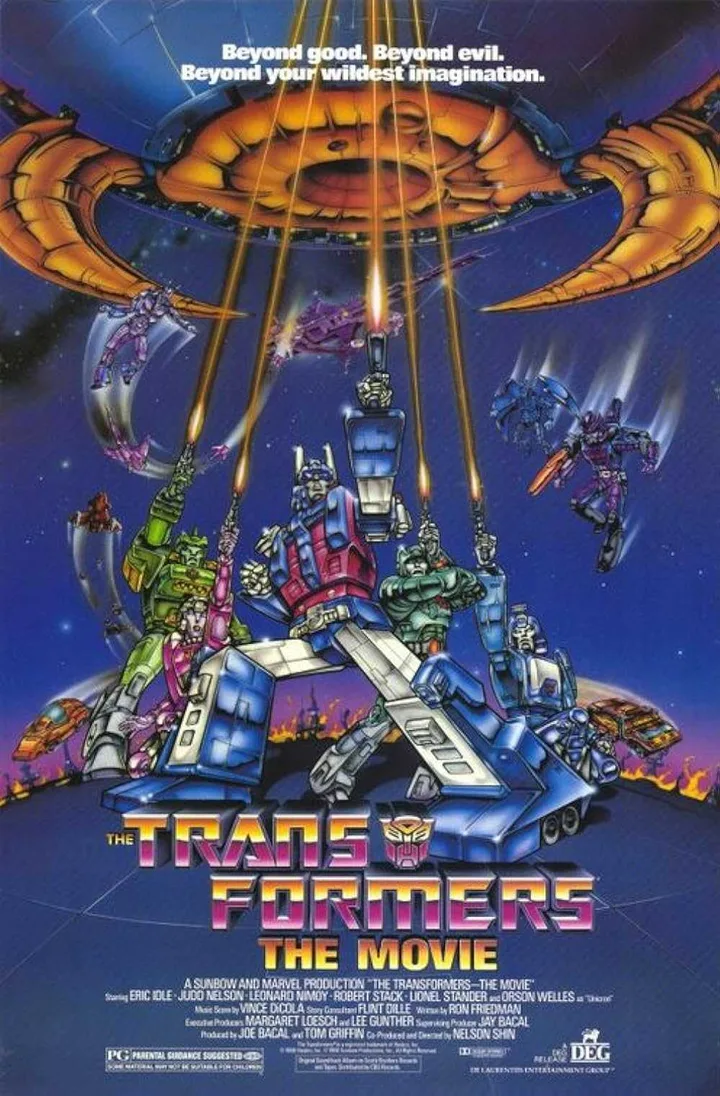
The Transformers: The Movie didn’t begin with a creative vision. It began with a spreadsheet. Hasbro wanted to clear the old toy line and push newer, shinier figures — and if characters were being retired from shelves, they’d get retired from the story too. Optimus Prime, the stoic leader an entire generation had grown up watching, was being phased out. So they killed him.
It was 1986. Kids packed into theaters expecting big battles and robot heroics. What they got was a war of attrition that mowed down beloved characters in the opening act — Ironhide, Ratchet, others gone almost as an afterthought — before Optimus himself rode in for one last stand. Stan Bush’s “The Touch” blasted over the speakers. The crowd erupted. Nobody knew they were watching a funeral.
The Death Scene That Wrecked a Generation
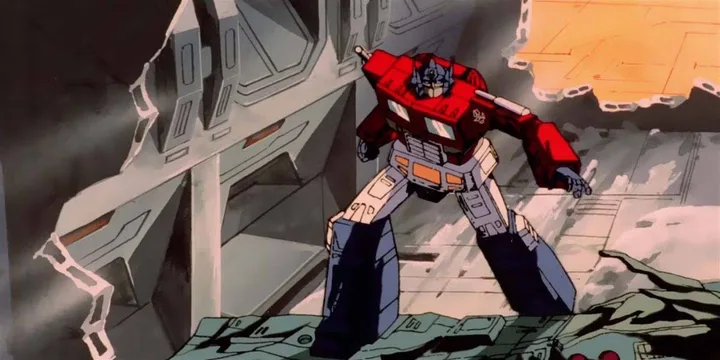
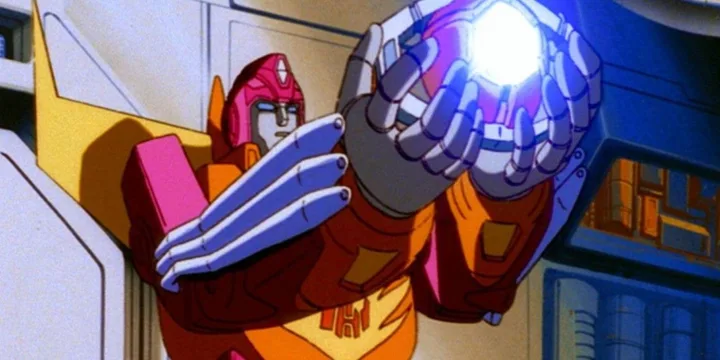
Prime won the fight. Barely. Megatron, near death himself, grabbed a discarded weapon from the ground. Hot Rod lunged in to help at the worst possible moment, giving Megatron just enough leverage to land the killing shot. One bad second. One well-meaning kid. It cost Prime everything.
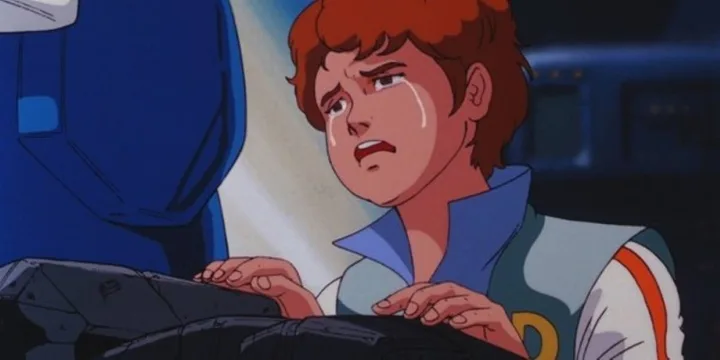
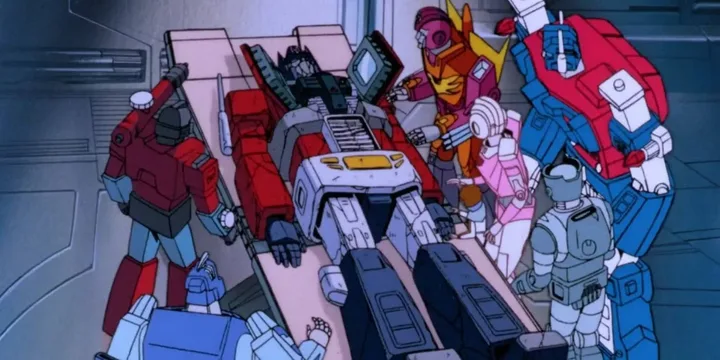
On his deathbed, Optimus passed the Matrix of Leadership to Ultra Magnus, then faded — his color literally draining from his body as he died. It was visceral in a way kids’ animation never was. The producers’ offices were buried under letters. Parents wrote in. Children were inconsolable. Around the same time, the G.I. Joe animated film had teased Duke’s death; Duke survived. Hasbro had learned something, apparently. With Transformers, they hadn’t moved fast enough.
Nobody Could Fill Those Boots
After the film, Hot Rod was reborn as Rodimus Prime and handed the leadership role. On paper, logical. In practice, fans never bought it. Rodimus was uncertain where Optimus had been decisive. He second-guessed himself constantly — which might have been intentional character writing, but it landed like a mistake. The audience had no patience for a hero with imposter syndrome.
Season 3 pushed forward, and it wasn’t without merit. The lore expanded, new corners of the universe opened up. But ratings told the real story. Without Optimus, the emotional center of gravity was gone. Viewers drifted. The franchise felt unmoored, like a band that had lost its singer and was trying to convince the crowd the new guy was just as good.
The Return Nobody Expected to Matter This Much
The Season 3 finale, “The Return of Optimus Prime,” did exactly what the title promised. Hasbro and the show’s producers had finally read the room and brought their leader back. The response was immediate and overwhelming. Fans who had checked out tuned back in. The franchise exhaled.
The window had already narrowed, though. Season 4 was a three-episode arc called “The Rebirth,” and then the original series was done. Optimus came back, but there wasn’t enough road left to run. The revival felt less like a creative triumph and more like an emergency correction — the right call, made too late.
What Hasbro Finally Understood
Decades on, Optimus Prime has died and returned across multiple films and series — Transformers: Revenge of the Fallen made it a full franchise setpiece. The difference is everyone knows he’s coming back now. The dramatic stakes are managed carefully. Hasbro refuses to make the same mistake twice, and the fanbase, older and more knowing, accepts the convention without complaint.
What the 1986 film proved, at enormous cost, was that Optimus Prime wasn’t just a character on a toy shelf. He was the reason people cared about all of it. Kill the emotional core of a franchise and you don’t just lose a season’s ratings. You risk losing everything you’ve built. It took a flood of letters from devastated children to make anyone in a boardroom understand what any kid could have told them for free.