The Action Anime You Need While Waiting for Solo Leveling Season Three
Berserk Is Still Unfinished Business
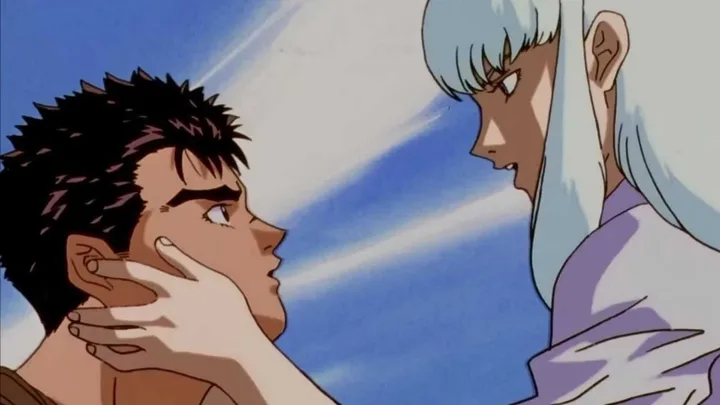
The 1997 Berserk anime isn’t perfect. The animation creaks in places, the pacing stumbles, and it cuts before the story’s most devastating moments land. But if you want brutal medieval warfare and a friendship that curdles into something monstrous, this is the place to start. Griffith leads his mercenary army to glory in the Kingdom of Midland with the kind of magnetic charisma that makes you forget to be suspicious of him.
Then he shows you exactly who he is. The final episodes hit like a truck you didn’t hear coming. Guts and Casca are left holding wreckage while Griffith steps into something far darker, and the anime ends on a cliffhanger so violent and raw that most viewers immediately start hunting for the manga. The anime is a very good on-ramp to something great.
Gantz Goes Sci-Fi Grim Dark
Solo Leveling gives its hero a clean power progression. Gantz does not. Kei Kurono dies on a subway platform and wakes up in a room with a black sphere and a bunch of equally confused people who also shouldn’t be breathing. What follows is a series of death-game hunts against increasingly bizarre aliens, all overseen by a system no one fully understands.
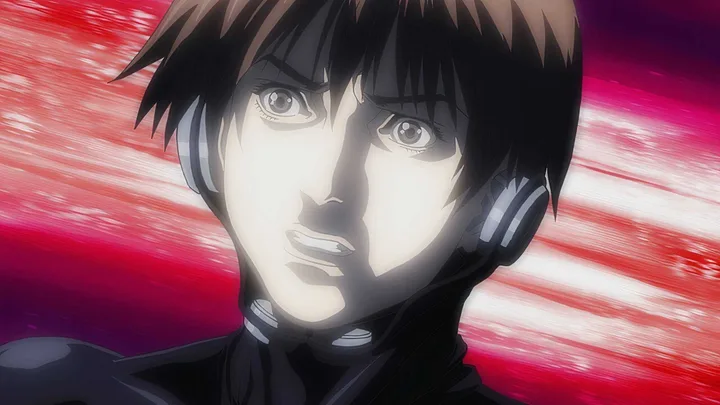
The Men in Black energy is real here — sleek black suits, alien targets, government-adjacent weirdness — but Gantz has a mean streak that never lets up. Kei grows from a selfish teenager into something resembling a hero, though the show makes that evolution genuinely costly. It’s less of a power fantasy than Solo Leveling, which is either a drawback or a selling point depending on what you want.
Two Underrated Picks You Keep Skipping
Undead Unluck is the kind of anime that gets buried under the big-name shonen releases. That’s a mistake. Fuuko Izumo has the power to inflict catastrophic bad luck on anyone she touches, which sounds like a curse and mostly is. The show pairs her with a man who literally cannot die, and together they fight monstrous entities called UMAs in increasingly inventive ways. The battle choreography prioritizes clever power usage over raw strength, which keeps fights surprising.
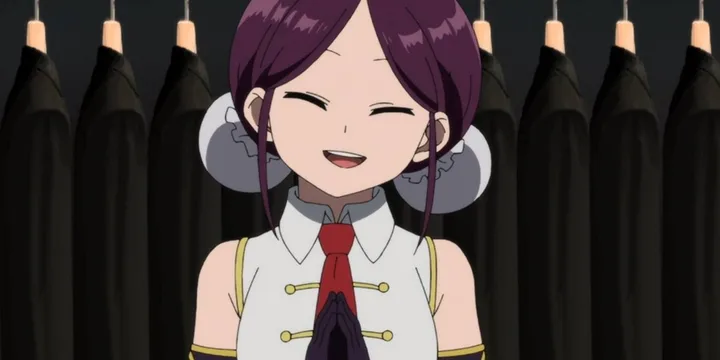
Mashle: Magic and Muscles takes a different angle. Mash Burnedead has no magical ability in a world that treats that as a moral failing, so he just hits wizards until they stop being wizards. The comedy is broad but the underlying themes about discrimination and self-worth sneak up on you. Mash is an intentionally empty vessel, a himbo protagonist who becomes genuinely endearing by sheer force of sincerity.
Fairy Tail Is a Long Commitment Worth Making
Fairy Tail is not prestige anime. The stakes reset too often, the power creep is absurd, and the fan service will make you roll your eyes with some regularity. But the guild itself — the actual community of weird, loud, fiercely loyal mages — is one of the better-constructed found families in shonen. Once you’re attached to Natsu, Gray, Erza, and the rest of them, you’ll watch episodes for the character moments as much as the fights.
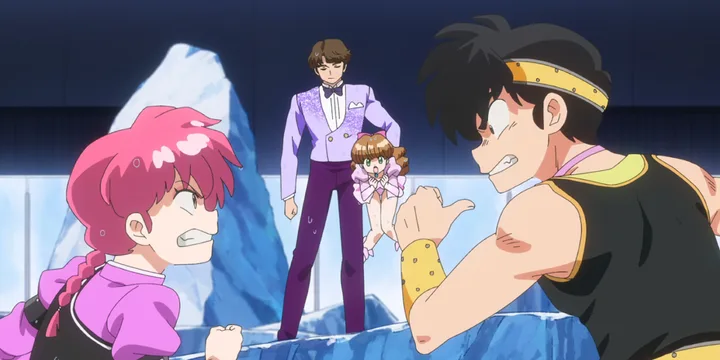
The visual variety does a lot of work. Fire against ice, celestial spirits against demons, dragon slayers against other dragon slayers. If you need something you can binge across several weeks without burning out, Fairy Tail has the volume and enough narrative momentum to carry you through.
Shield Hero Has Teeth
The Rising of the Shield Hero is an isekai with an unusual spine: the hero arrives in another world and immediately gets betrayed. Naofumi Iwatani’s reputation is destroyed before he can fight a single monster, and the game-logic leveling system is the only thing working in his favor. His gradual rebuild — in combat ability, in trust, in sheer stubbornness — drives the story more than any individual boss fight.
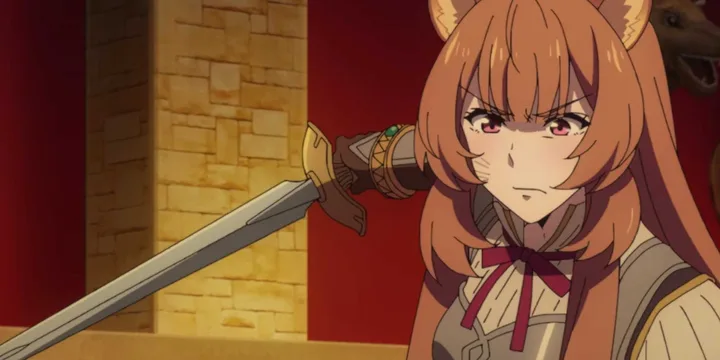
Raphtalia and Filo are the key relationships here, both of them essentially children that Naofumi raises while also fighting waves of fantasy monsters. The foster-father framing gives the show emotional weight that most isekai skip entirely. The tension with the other Cardinal Heroes, who spent the first arc believing the worst about Naofumi, also gives the series something to grind against beyond the standard monster-of-the-week format.
Ranma Gets a Second Life
The original 1980s Ranma 1/2 is a product of its time — lovable, inventive, and visually exhausted in a way that’s hard to unsee once you’ve watched modern animation. The 2024 remake fixes that entirely. Same story, same characters, same absurdist martial-arts logic, but now rendered with fluid fight sequences that actually show you what Ranma Saotome is capable of.
Ranma isn’t overpowered in the Solo Leveling sense. He wins through skill and adaptability, and his life is a constant stream of challenges from rivals, family obligations, and a transformation curse that complicates everything. The comedy and the action balance better than they have any right to, and the remake is still early enough that you can catch up without dedicating a month to it.
Hellsing Ultimate Has No Chill Whatsoever
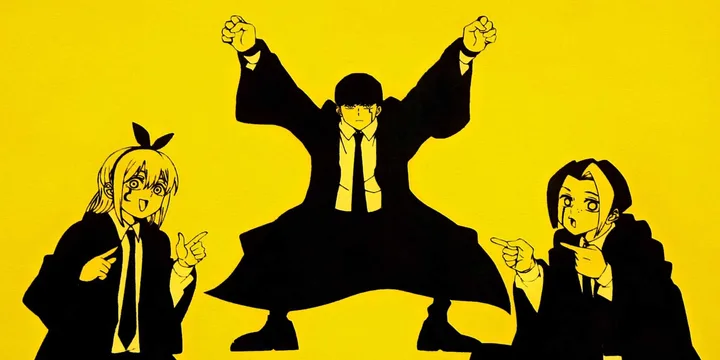
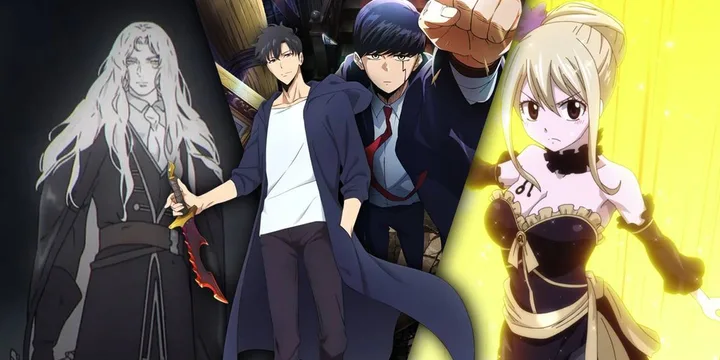
Hellsing Ultimate is the version of Hellsing that actually delivers on its premise. Alucard is a vampire so powerful that he treats combat as recreation, capable of summoning more strength at will while absorbing bullets like they’re a light inconvenience. The violence is operatic and frequently stomach-turning, which is exactly what the show is going for.
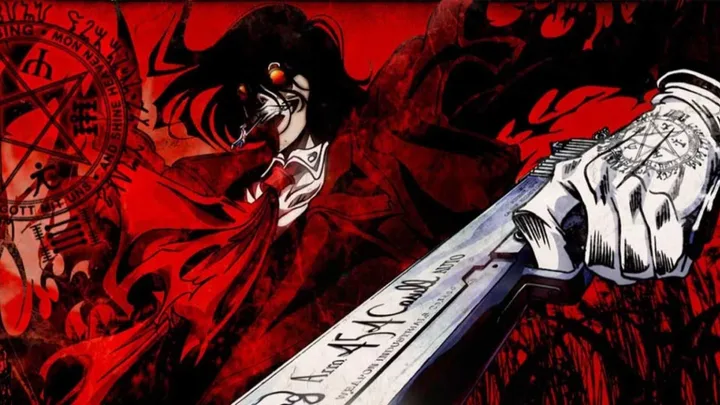
What makes it more than a gore reel is the clarity of Alucard’s position. He’s not a hero. He serves the Hellsing organization out of something resembling respect, not nobility, and his methods horrify even his own allies. When the Nazi vampire army of Millennium arrives, Alucard meets them with the kind of sadistic enthusiasm that makes him the most unsettling protagonist in the genre.
Monster Hunters Who Became the Monster
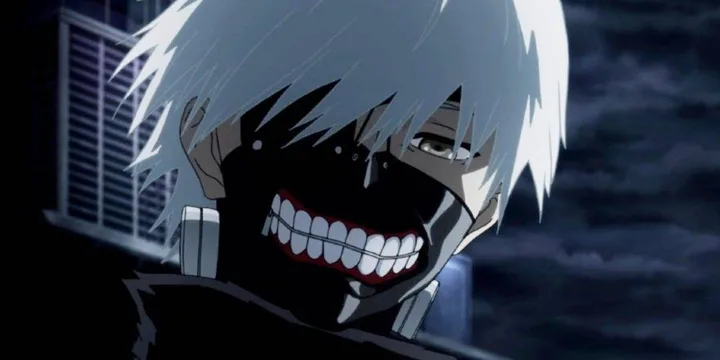
Tokyo Ghoul works best when it sits in the moral gray zone between human investigators and ghouls who only eat to survive. Ken Kaneki crosses that line involuntarily, becoming something that doesn’t fit cleanly on either side. His growing strength is real, but so is the cost of using it. The manga handles this arc with more precision, but the anime still delivers enough of the tension to make it worthwhile.
Kaiju No. 8 covers similar thematic ground from a different direction. Kafka Hibino is a grown adult who has spent years failing to join the kaiju defense force, then absorbs the power of a small flying kaiju and transforms into the very thing the force is trying to kill. His tactical situation is genuinely strange: monstrous enough to be a target, human enough to keep fighting for the people hunting him. The mystery of why the kaiju chose him is the thread that keeps the story moving forward.