The Open World Games Where Character Creation Is Half the Fun
The Games That Respect Your Freedom
Mount and Blade II: Bannerlord doesn’t care what you want to be — merchant, warlord, sellsword — because it hands you the tools to become all three. Character creation isn’t cosmetic here. You pick your civilization, answer questions that shape your skills, and the world responds accordingly. Ignore the main story entirely. The game shrugs and keeps running.
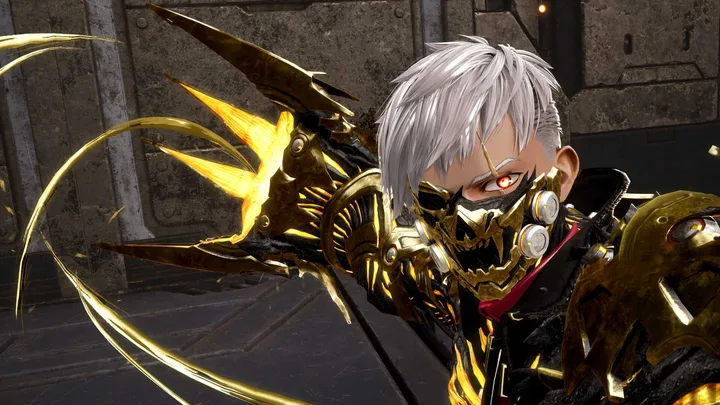
Code Vein and its sequel, Code Vein II, take a completely different angle. Their character creators are essentially anime figure builders — absurdly detailed, borderline obsessive, and wildly fun. Players have recreated Gojo Satoru from Jujutsu Kaisen and Mikasa Ackerman from Attack on Titan with unsettling accuracy. If you’ve ever wanted to drag your favorite fictional character through a gothic action RPG, this is the one.
Where Builds Matter More Than Looks
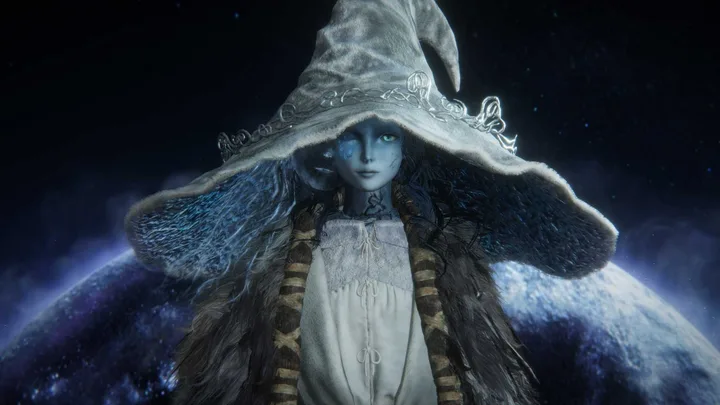
Elden Ring handles the basics well enough — gender, age, physical appearance, class. But the real customization happens through your build. Ten starting classes, each pulling the experience in a completely different direction. A wretch beginning with nothing but a club plays nothing like a samurai. That gap is enormous, and it’s why FromSoftware’s massive open world still feels fresh years after launch.
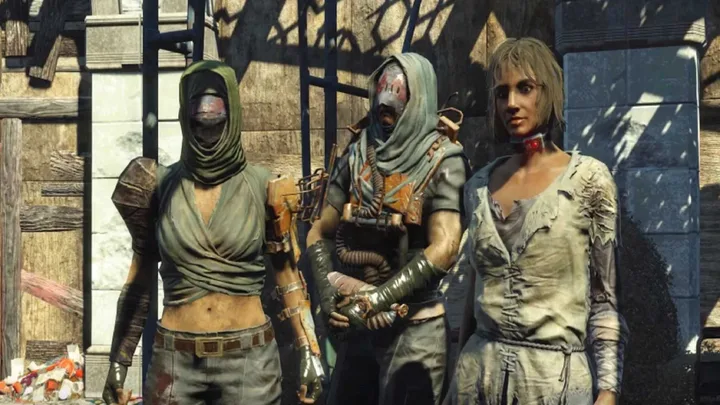
Fallout 4 earned criticism for its story. Some of it was fair. But its open world is the most expansive in the franchise, and the character creator was a genuine leap forward — nearly infinite facial combinations, from ordinary humans to creatures barely passing as people. Then there’s the settlement system. Building your own outpost from rubble gave players something no previous Fallout had ever offered: actual ownership.
Role-Playing at Its Most Ambitious
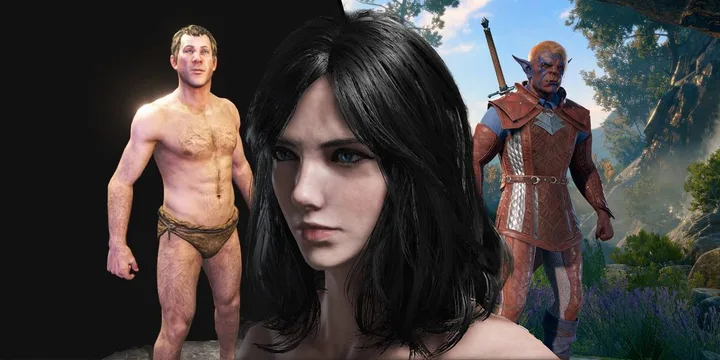
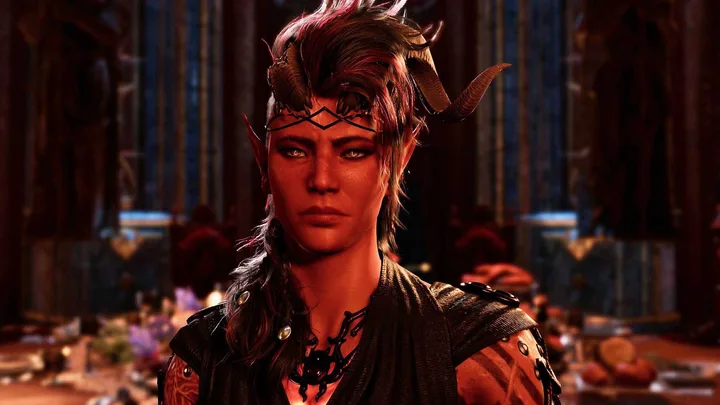
Baldur’s Gate 3 is about a mind flayer parasite lodged in your skull and the increasingly complicated quest to remove it. Every character, protagonist or background NPC, carries real backstory — fears, ambitions, history that shapes behavior. Creating a new character doesn’t just change the aesthetics. It rewires how the whole game unfolds, which is why players have sunk 200 hours in and feel like they’ve barely started.
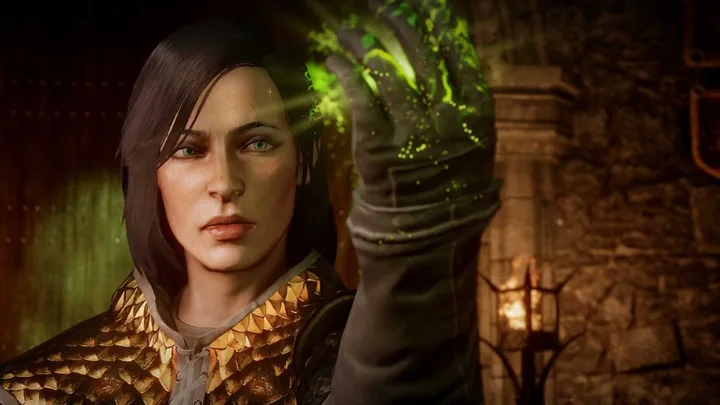
Dragon Age: Inquisition still sets the benchmark for race and class customization in a fantasy RPG. At launch, its character creator generated real excitement — it was among the first to use neutral and dynamic lighting, making it far easier to build someone who actually looked the way you intended once you were in-game. Each race carries its own backstory, too. An elf from a militant faction arrives at the Conclave under completely different circumstances than a human noble. Those distinctions echo through the whole story.
The Ones That Surprised Everyone
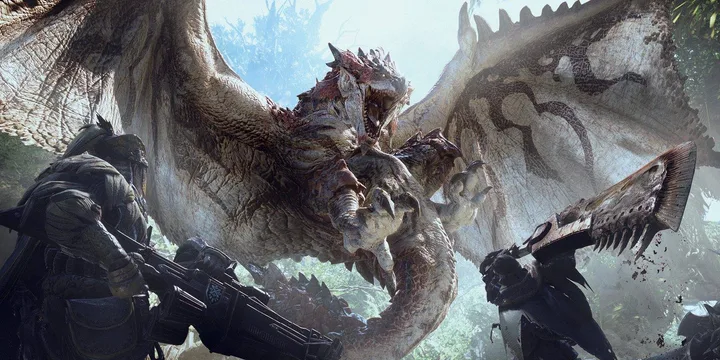
Monster Hunter: World dragged the Monster Hunter series into modern open-world design without losing what made it special. The character creator is the deepest the franchise has ever offered. Hair, makeup, and voice options aren’t gender-locked, which sounds like a small detail and absolutely isn’t. The world itself feels genuinely alive — predator-prey dynamics play out in real time, regardless of what the player is doing elsewhere on the map.
Grand Theft Auto V builds characters in the strangest way imaginable: mixing the genetics of two sets of fictional grandparents, then two parents, then deciding which bloodline dominates. The result is unpredictable and oddly personal. GTA Online then sets that character loose in a world that’s been expanding for over a decade, with missions, real estate, and a mod scene that adds possibilities no development team could have planned for.
The Two That Stand Alone
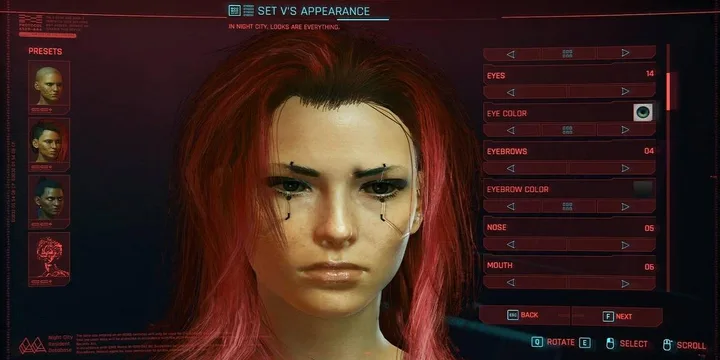
Cyberpunk 2077 starts before V’s story starts. Before the opening scene, before the heist, before Night City gets its hands on everything — the character creator demands to know who V actually is. Backstory, pronouns, body type, facial structure, tattoos, the color of fingernails. Players vanish in there for an hour without touching the game itself. Then cyberware and augmentations keep reshaping the character physically and mechanically, all the way to the credits.
The character creator in Cyberpunk 2077 is so detailed, so genuinely absorbing, that some players spend an hour in it before the game has technically begun.
Skyrim is fifteen years old and people still talk about it like it came out last quarter. Ten playable races, each with distinct stats and dialogue reactions. A Wood Elf gets different responses from NPCs than an Orc who looks like trouble. But nothing locks you in. That same Wood Elf can end up the heaviest-armored berserker in Tamriel. The freedom to contradict yourself, to play against type entirely, is precisely what’s kept players returning since 2011.