The Most Gloriously Unhinged Lawsuits Ever Actually Filed in Court

The Man Who Blamed Michael Jordan for His Face
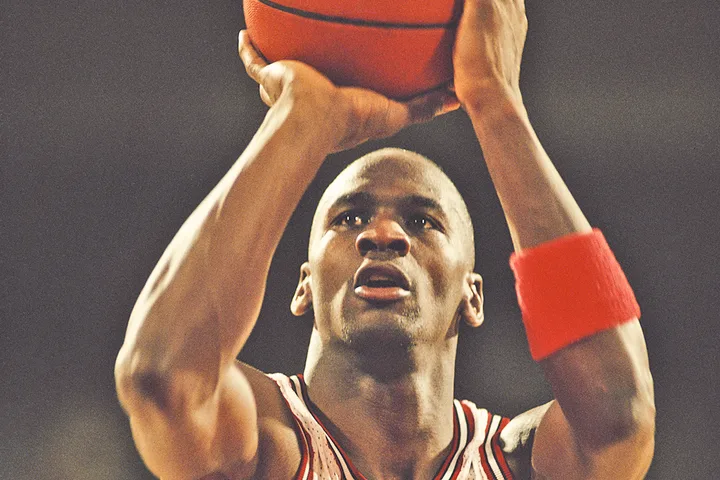
Allen Heckard looked in the mirror and saw a problem. The Oregon man bore a striking resemblance to basketball icon Michael Jordan — and in 2006, he decided someone had to pay for it. He sued both Jordan and Nike co-founder Phil Knight, arguing the likeness made his daily life unbearable. Crowds at public events kept harassing him. He couldn’t go anywhere without the comparisons following him.
His requested remedy: $52 million from each defendant, plus $364 million each in punitive damages. He eventually dropped the suit without explanation. A Nike spokesperson offered one: Heckard probably “realized he would end up paying our court costs if the lawsuit went to trial.”
The Kidney He Wanted Back
Richard Batista donated a kidney to his wife Dawnell in 2001. When their Long Island marriage collapsed into divorce proceedings between 2005 and 2009, Richard made a demand that stunned the courtroom: return the kidney, or write him a check for $1.5 million. He claimed she’d started an affair within two years of receiving the transplant.
The Nassau County Supreme Court said no. Arbiter Jeffrey Grob ruled it illegal to place a monetary value on human organs. The court was direct about it — the term “marital property,” however broadly defined, does not “stretch into the ethers and embrace human tissues or organs.” Some things can’t be divided in settlement talks.
Seventeen Dollars and a Principle
Brandon Vezmar took Crystal Cruz to see Guardians of the Galaxy, Vol. 2 in 2017. She texted through it. He went to small claims court. The amount he sought: $17.31, the price of her ticket. The filing stated Cruz “activated her phone at least 10-20 times in 15 minutes” and declared her behavior “a threat to civilized society.”
Cruz eventually paid up in exchange for Vezmar dropping the case. Whether either of them enjoyed the movie remains unclear.
Suing the Almighty Over Bad Weather
Phoenix resident Betty Penrose filed suit against God in 1969. Her home had been struck by lightning nine years earlier, and she wanted $100,000 in damages for what her complaint called “careless and negligent” control of the weather.
The case had a specific hook. Musician Lou Gottlieb had transferred ownership of his 31.7-acre California ranch to God that same year, technically making the Almighty a property owner. Penrose’s lawyer filed in California rather than Arizona, hoping to seize the ranch as a legal asset. A judge eventually ruled Gottlieb’s transfer invalid. God won on a technicality.
The Prisoner Who Sued Himself
“I partook of alcoholic beverages in 1993, July 1st, as a result I caused myself to violate my religious beliefs … by my going out and getting arrested.” — Robert Lee Brock
Robert Lee Brock was serving time at the Indian Creek Correctional Center in Virginia in 1995 when he filed one of the stranger legal documents in American court history. He sued himself for $5 million, arguing that he’d violated his own civil rights by getting drunk and committing the crimes that landed him behind bars.
The logic: the state should cover the damages, since he couldn’t earn money while incarcerated. Judge Rebecca Beach Smith dismissed the lawsuit as frivolous. Which it was. Magnificently so.

The Monkey Who Took His Own Photo
In 2011, photographer David Slater was working in an Indonesian jungle when a macaque named Naruto grabbed one of his cameras and snapped a selfie. Slater published the images. PETA filed suit in 2015, arguing that Naruto owned the copyright to pictures he had taken himself.
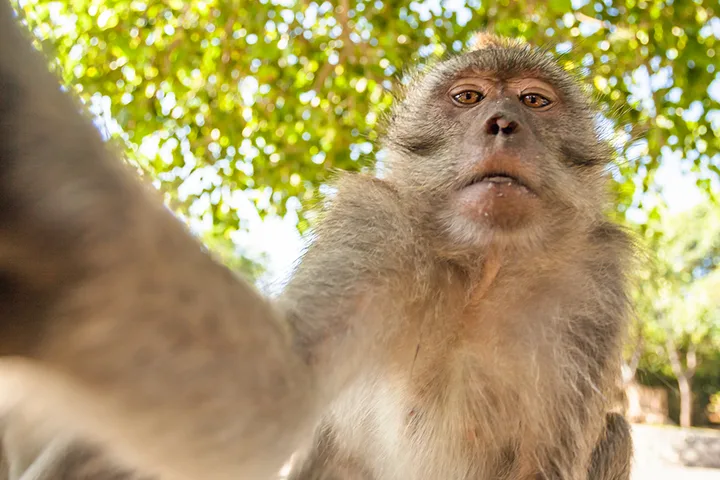
Two years of litigation ended in a settlement: Slater agreed to donate 25% of future book royalties to charities protecting macaque habitats. The U.S. Copyright Office, for its part, has been unambiguous on the subject — photographs taken by animals cannot be copyrighted. Naruto had no comment.
Ready in Three and a Half Minutes
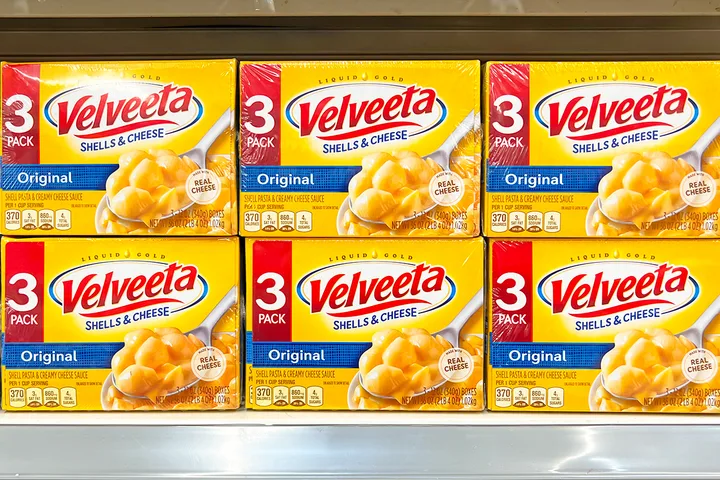
In 2022, Florida resident Amanda Ramirez sued Kraft Heinz over the label on a Velveeta microwavable mac and cheese cup. The packaging said “Ready in 3½ Minutes.” Her argument: that window only covered the microwave time. Opening the container, stirring, and waiting for the mixture to thicken pushed the real total well past that. She sought $5 million.
Kraft called the lawsuit frivolous. On July 27, 2023, Judge Beth Bloom dismissed the case for lack of standing and noted, almost as an aside, that there was no evidence Ramirez had ever actually tried to make the product.