The Devil Wears Prada 2 Finally Gives Andy the Partner She Deserved
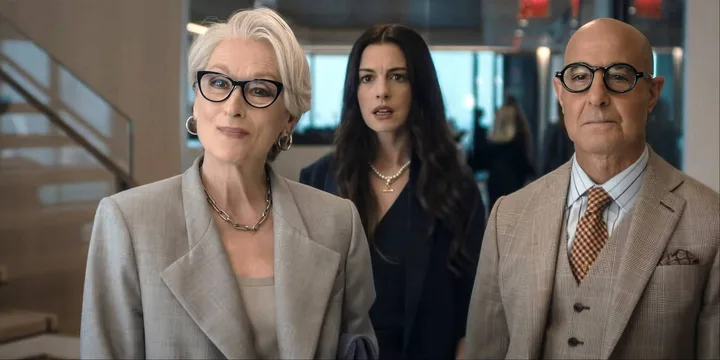
A Cult Classic Gets Its Long-Overdue Second Act
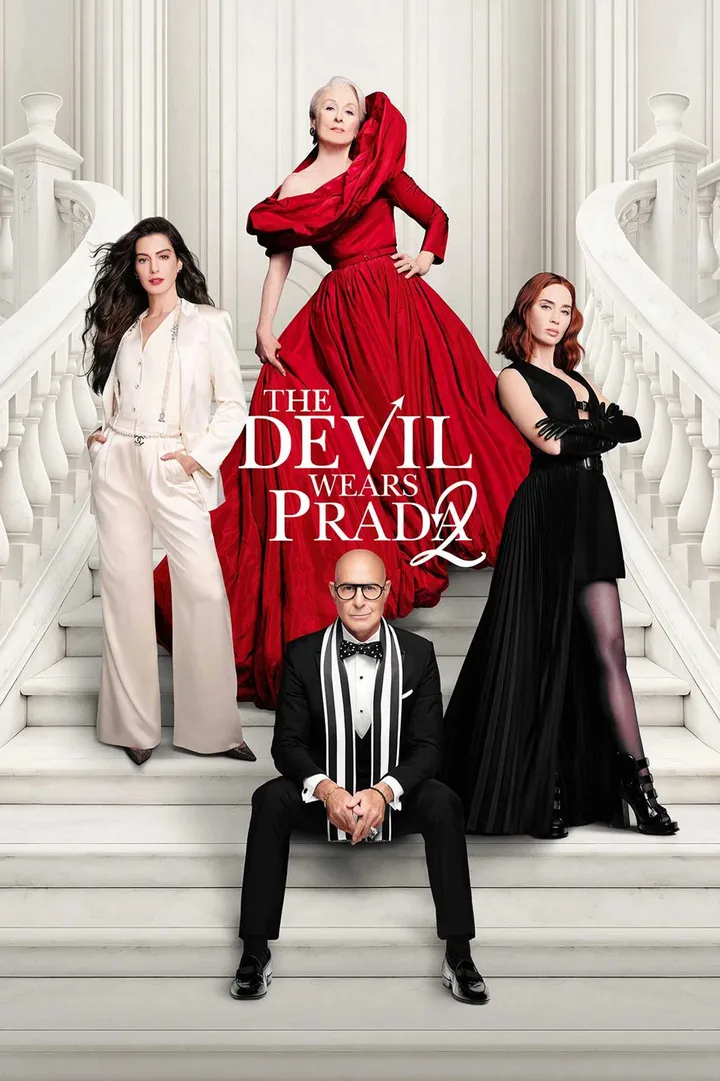
Twenty years is a long time to wait. When The Devil Wears Prada hit theaters in 2006, plenty of people wrote it off as a glossy fashion movie and moved on. Then something happened: they watched it again. Anne Hathaway’s Andy Sachs and Meryl Streep’s ice-queen Miranda Priestly became cultural shorthand for ambition, sacrifice, and the brutal math of making it in a cutthroat industry. For a generation of viewers, it was their first real introduction to both Hathaway and Emily Blunt, who played the brittle, status-obsessed Emily Charlton with such precision it felt like a personal affront. The film became a touchstone.
So when a sequel was announced for 2026, the pressure was enormous. Emily Charlton’s own words from the first film applied perfectly: there were very big shoes to fill. The Devil Wears Prada 2 has not only filled them but quietly fixed the one flaw in the original that no amount of rewatching could unsee.
The Nate Problem Nobody Could Ignore
On a first watch, Andy’s boyfriend Nate registers as a concerned partner. He cooks, he worries, he misses her. Sympathetic enough. Watch it a second time and the performance cracks open to reveal something uglier. Nate never once celebrates what Andy is building. He never reads her work, never asks about her goals, never tries to understand why landing a year under Miranda Priestly would unlock every journalism door she wanted to walk through.
What he does do: scold her for changing, mock her for wearing better clothes, encourage her to quit repeatedly, and meet every attempt she makes toward reconciliation with a cold shoulder. When Andy misses his birthday, he doesn’t forgive. He collects grievances. There’s a particular cruelty to a person who wants you small, and the original film never quite names it.
The Ending That Felt Like a Betrayal
What the 2006 film does with Nate’s behavior is reward it. After Andy quits Runway during the Paris trip, she finds him and essentially admits he was right. He responds not with warmth but with a joke about expensive shoes. They get back together anyway. The film frames his worldview as correct — that Runway corrupted her, that her ambition was the problem, that walking away was growth.
Miranda’s storyline reinforces the same message from the other direction. Her husband Stephen files for divorce during the Paris trip because she chose her career. Andy gets her boyfriend back by abandoning hers. The moral lands like a headline dropped on a conference table: successful women lose love, and women who want to keep it had better reconsider their priorities. It’s a sour aftertaste on an otherwise electric film.

Andy Sachs, Twenty Years Later
The sequel opens with a very different Andy. She’s single, yes — the film doesn’t pretend that career focus comes without costs — but she’s also an award-winning journalist with a body of published work she’s proud of. No Nate. No apologies. When her publication gets absorbed and she loses her job, she doesn’t crumble. She goes looking for the next thing.
That next thing turns out to be running the features section at Runway, called in to help the magazine survive a scandal with a corrupt fashion company. Andy walking back into those offices isn’t defeat. It’s leverage. The sequel allows her the dignity of a woman who has been somewhere and knows what she’s worth.
The Man Who Actually Read Her Work
Peter — played by Patrick Brammall — enters the story as the contractor who designed Andy’s new apartment. Their first meeting goes badly, Andy putting her foot in her mouth in spectacular fashion. Then something unusual happens: he reads her work. All of it. He goes through her published pieces not to impress her but because he wants to understand how she thinks and what she cares about.
During one of their dates, Andy mentions she’s been in long-term relationships with people who never read a word she wrote. Peter’s reaction is genuine disbelief — unperformed and immediate. He doesn’t demand to be her first priority. He doesn’t sulk when Runway swallows her days. When she’s facing the real possibility of losing the job entirely, he doesn’t offer warnings or told-you-sos. He helps her sit with her own feelings about it. Andy is often the one getting things wrong between them. Peter stays anyway.
Miranda’s Second Chance at Love
The film gives Miranda the same correction on a grander scale. Her new husband Stuart, played by Kenneth Branagh, is a violinist — patient, present, and visibly in love with a woman the world finds terrifying. Every scene they share has warmth running through it. When Runway’s future looks precarious and Miranda stares down the possible end of everything she built, Stuart tells her simply that she will always have him, whatever she decides, wherever she lands.
It’s a direct rewrite of Stephen, who chose Paris as his moment to announce the end of their marriage. Stuart faces the same pressure point and responds with the opposite impulse. The contrast isn’t subtle, but it doesn’t need to be.
What Real Support Actually Looks Like
The Devil Wears Prada 2 makes an argument the first film couldn’t bring itself to make: demanding careers don’t require romantic sacrifice, and women who want both aren’t asking for the impossible. They’re asking for the right person. Peter and Stuart aren’t doormats or sycophants. They’re men with their own lives who have chosen, actively and repeatedly, to stand in the corner of someone whose work matters to them.
Andy spent the first film apologizing for her ambition. The sequel lets her stop. She still pays costs — being single at her age, the egg-freezing conversation, the constant threat of losing everything she’s built — because the film is honest about what the climb looks like for women who choose it. What changes is the frame. The costs are real. The love, when it comes, doesn’t arrive with conditions attached.