You Would Have Been Arrested for These Completely Normal Activities
No Touchdowns on the Lord’s Day
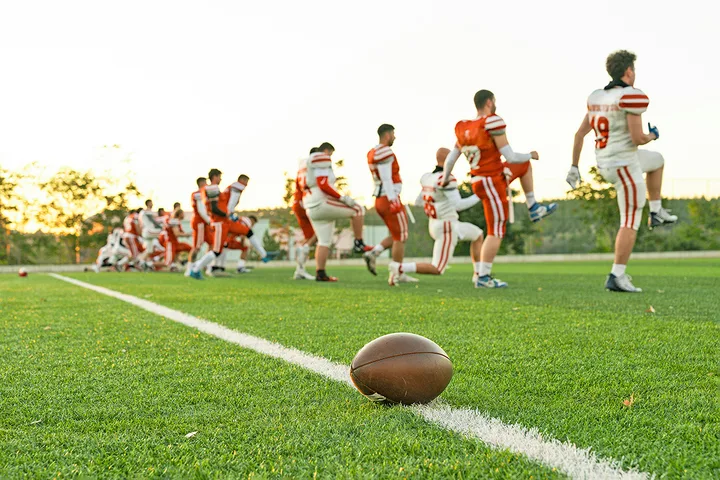
For most of American history, Sunday wasn’t game day — it was God’s day, and the law backed that up. Blue laws, some dating to the nation’s founding, banned secular activities on Sundays so that Christians could observe the Sabbath without the distraction of a ballgame. As baseball exploded in popularity through the late 1800s, those laws followed it everywhere.
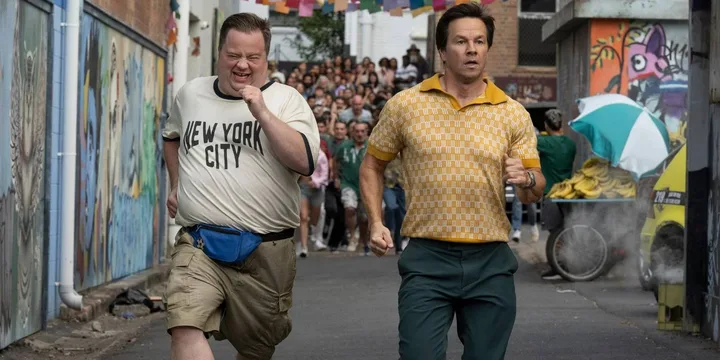
In 1917, the managers of the New York Giants and Cincinnati Reds were arrested for daring to play on a Sunday. New York changed its tune two years later, but Pennsylvania held out until 1933 — the year the Pittsburgh Steelers (then called the Pirates) debuted. Their first Sunday home game on November 12 was, technically, still illegal. Voters had struck down the blue laws just days earlier, but the formal repeal hadn’t cleared. Team owner Art Rooney solved the problem cleanly: he bribed the police superintendent. The game went on.
The Town That Banned the Shimmy
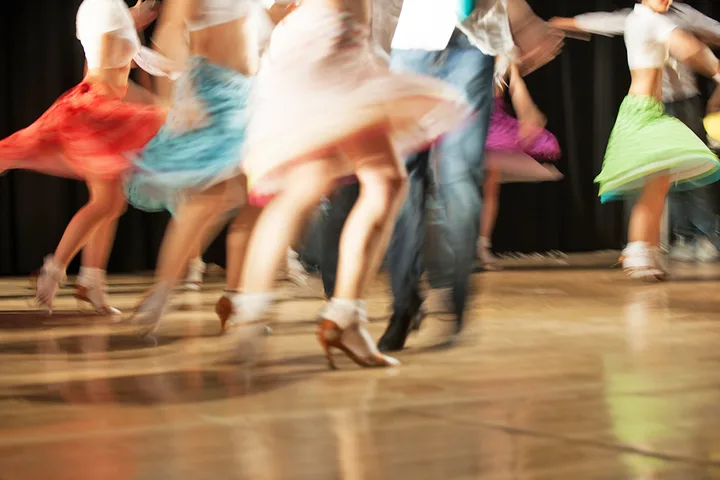
Footloose wasn’t fiction. It was journalism with a better soundtrack. The 1984 film drew direct inspiration from Elmore City, Oklahoma, where a dancing ban had been on the books since 1898. Religious groups saw dancing as a gateway sin — a first step toward alcohol and worse. That ban held for 82 years, until a group of high school students decided they deserved a prom and fought for it. They won in 1980.
New York City had its own version of the fear. The 1926 Cabaret Law banned dancing, singing, and entertainment at any commercial establishment serving food or liquor without a special license. Critics called it what it was: a tool of racial discrimination, selectively enforced against Black-owned clubs and jazz venues. It wasn’t repealed until 2017. Even now, state liquor licenses technically prohibit dancing in licensed restaurants — though nobody enforces it, and the state is working to scrub the language entirely.
A Federal Employee’s Secret Life in the Crossword Section
The Ethics Reform Act of 1989 was built to stop corruption — lobbyists greasing lawmakers’ palms, that kind of thing. Its honoraria ban prohibited government workers from accepting payment for speeches, articles, or appearances. Reasonable enough on its face. Except the wording was so broad it snared a government investigator who was quietly moonlighting as a crossword constructor. His choice: quit your federal job, or stop selling puzzles to the newspaper.
He wasn’t alone in the absurdity. An IRS employee with a geophysics degree was banned from giving talks on earthquake preparedness. Another was forbidden from covering baseball games for a publication. A civil servant who taught evening dance classes was told his side gig counted as prohibited paid speech. The Supreme Court struck down the honoraria ban in 1995, ruling it unconstitutional — but not before ruining several people’s perfectly harmless hobbies.
One Kiss, Twenty Shillings
The oldest known kissing ban came in 1439, when Henry VI outlawed smooching in England to slow the spread of bubonic plague. Grim, but at least logical. Colonial America’s Puritan version had different motivations: public affection was an offense against God, full stop, and the punishment was financial.
On May 1, 1660, Connecticut residents Sarah Tuttle and Jacob Murline were hauled before a court. Their crime: sitting together on a chest with their arms around each other for roughly half an hour. Witnesses — who apparently watched the whole time — also reported kissing. The pair were convicted of “sinful dalliance” and fined 20 shillings, equivalent to about $240 today. It’s the kind of trial that would have consumed cable news for weeks.

The Mob’s Favorite Arcade Game
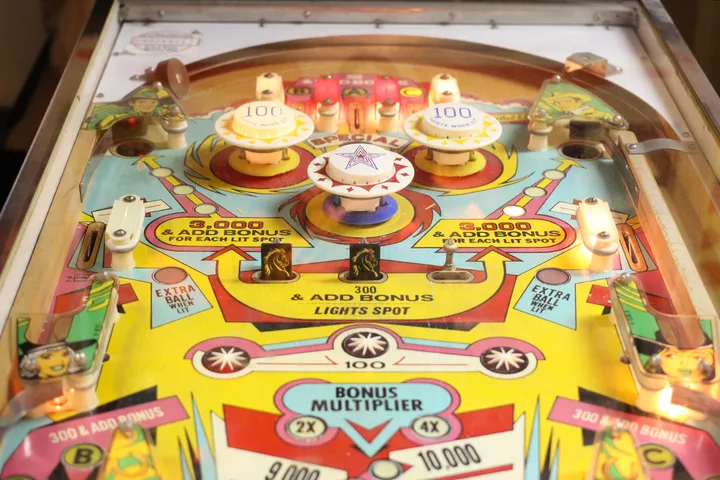
The first modern pinball machine — the coin-operated Whiffle — debuted in 1931. It should have been a story about innocent fun. Instead it became a moral panic. Critics accused pinball of encouraging gambling. Others suspected organized crime was behind the machines, a theory that gained traction because so many were manufactured in Chicago, where the mob had deep roots.
New York City Mayor Fiorello LaGuardia seized on the crusade after Pearl Harbor, framing pinball as a wartime resource drain. On January 21, 1942, a Bronx court declared it illegal gambling. Police raided shops across the city and destroyed 3,000 machines in three weeks. Chicago and Los Angeles followed with their own bans. Pinball spent decades in the shadows until the California Supreme Court ruled in 1974 that it was a game of skill, not chance. New York lifted its ban in 1976. The machines came out of hiding, the arcades filled with the sound of steel balls rattling off bumpers, and it turned out that sometimes fun just needs a few decades to clear its name.