You’d Never Guess Which Famous Stars Were Secret Inventors
The Drummer Nobody Saw Coming
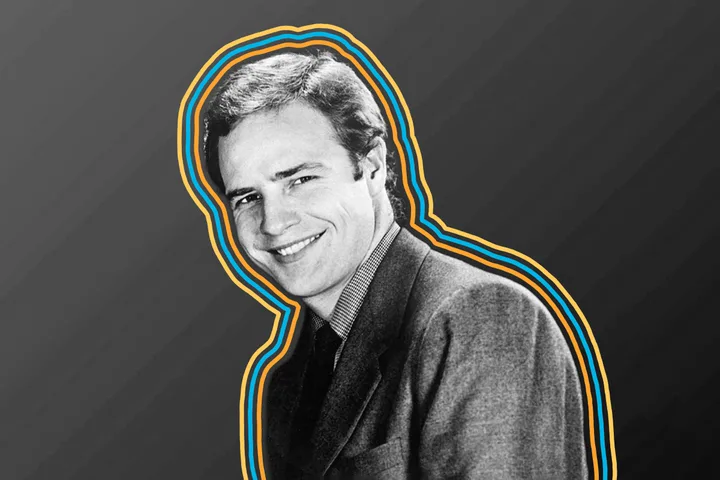
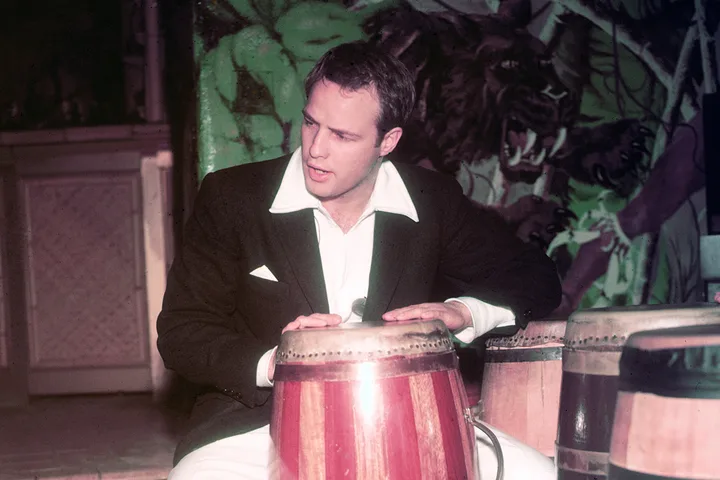
Marlon Brando could do almost anything. Act, seduce an audience, disappear into a character so completely you forgot his name. What most people don’t know: he was also obsessed with percussion, specifically conga and bongo drums, and frustrated enough by their design to file a patent.
Tuning a traditional conga required adjusting five or six separate tension screws, one by one. Brando’s solution was a single crank that handled all of them at once. He received the patent in 2002, two years before he died. Professional drummer Poncho Sanchez later tried the instrument. “It sounded pretty good,” Sanchez told LA Weekly. “It was a cool idea.” The verdict: too expensive, too impractical. The drum never went into production.
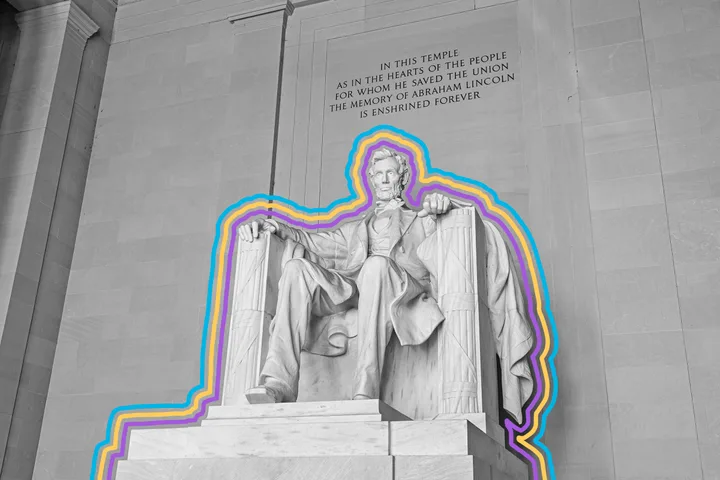
Mark Twain Hated Getting His Fingers Sticky
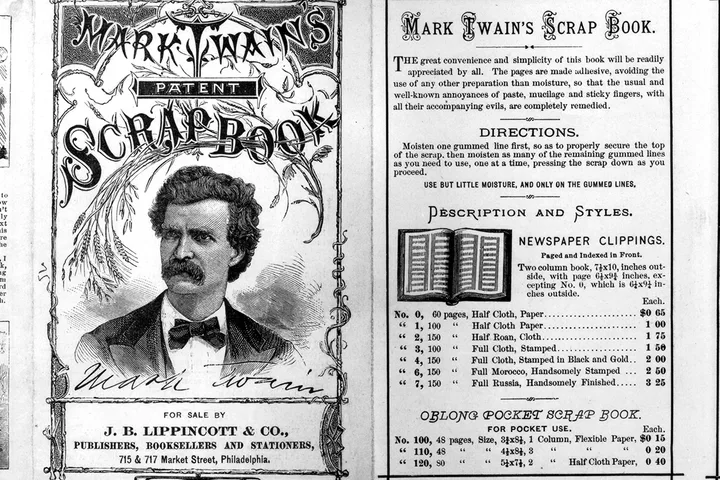
America’s most celebrated satirist was also an avid scrapbooker, which put him in regular contact with a problem he found genuinely intolerable: the mess of manually applying glue to every single clipping. Twain was not a man who suffered inconveniences quietly.
His fix was a scrapbook with pre-applied adhesive strips on every page. Moisten the strip, press in the clipping, done. It sounds obvious now — which is the mark of a good invention. The product hit shelves around 1877 and stayed in production until 1902. Twenty-five years on the market. Not bad for a man who built his reputation on words, not widgets.
Hollywood’s Most Underrated Genius
Hedy Lamarr starred in Boom Town and Samson and Delilah and was considered one of Hollywood’s great beauties through the 1930s and ’40s. She was also, in the time between films, quietly working on military technology.
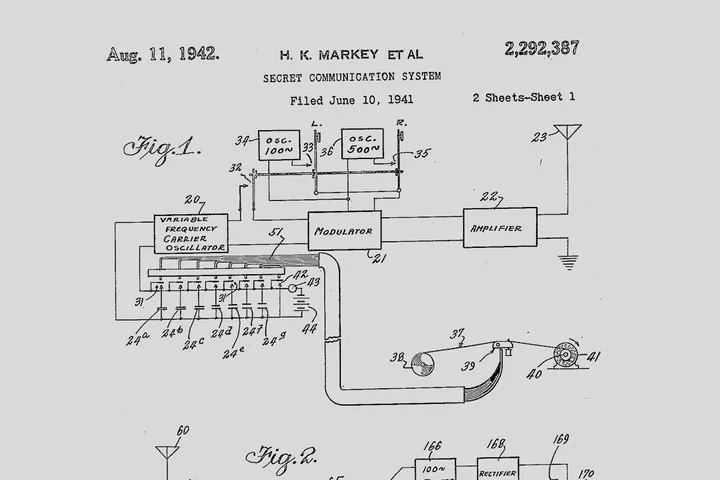
In 1942, Lamarr and avant-garde composer George Antheil co-patented a “secret communication system” using frequency-hopping spread spectrum: radio signals that jump rapidly between frequencies, making them almost impossible to jam. The immediate goal was unjammable torpedoes to deploy against German U-boats. The long-term consequence was something nobody anticipated at the time. That same underlying technology forms the foundation of Wi-Fi, Bluetooth, and GPS.
Houdini Designed the Ultimate Escape
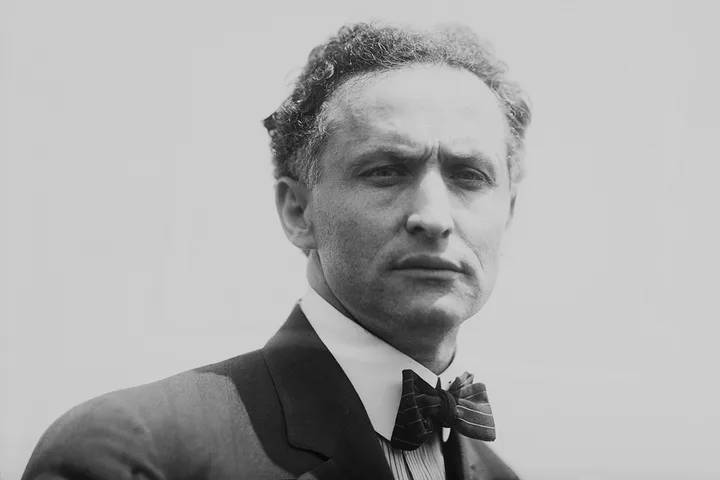
Harry Houdini built his entire career escaping from locked boxes, sealed crates, and chains dropped into freezing water. A lifetime of that kind of work tends to focus the mind on a specific engineering problem: what happens when you genuinely cannot get out?
In 1921, he patented a deep-sea diving suit with a built-in quick-release mechanism. The design allowed a diver to shed the full suit underwater in seconds, in case of emergency. Houdini built it for naval divers, not for the stage, and never used it in any public performance. It was never mass-produced. But the patent reveals something real: the skills he spent his whole life perfecting had given him a particular way of thinking about danger and design.
The Diaper Born From Sheer Frustration
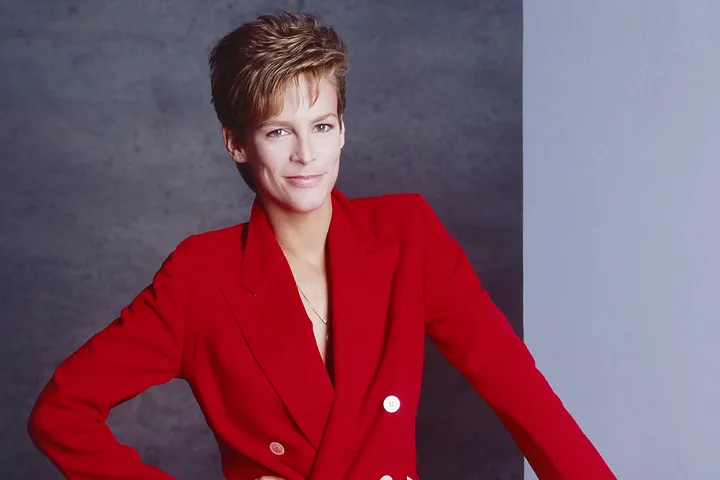
Jamie Lee Curtis became a mother and immediately ran headlong into the chaos every new parent knows: scrambling for wipes during a diaper change with both hands already occupied. She fixed it the only way she knew how.
In 1987, Curtis patented Dipe and Wipe, a disposable diaper with a waterproof pocket sewn in, pre-stocked with clean-up wipes. One package, everything included. She held off on bringing it to market over environmental concerns. “At the time, it felt a little landfill-y,” she told Jimmy Kimmel in 2018, though she acknowledged that modern materials could change that calculation entirely.
Prince Got a Patent, Naturally in Purple
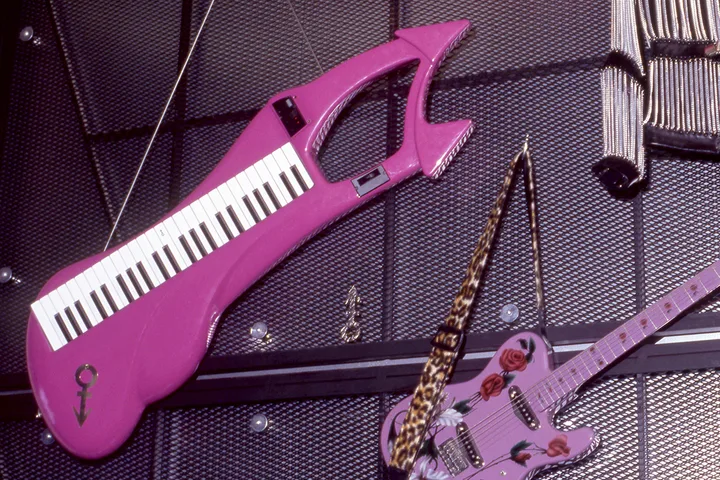
In 1994, Prince filed for a patent on a “portable electronic keyboard musical instrument.” The paperwork was bureaucratic. The instrument was extraordinary.
The Purpleaxxe was a keytar with swooping, curved lines and arrow-shaped design elements drawn directly from the unpronounceable symbol Prince had adopted as his name the year before. Built to be worn and played like a guitar, it saw real use: keyboardist Tommy Barbarella played it live on stage during actual performances. In photographs it looks like exactly what it is — a genius’s very specific vision of what a keyboard ought to be.
Radar O’Reilly’s Other Career
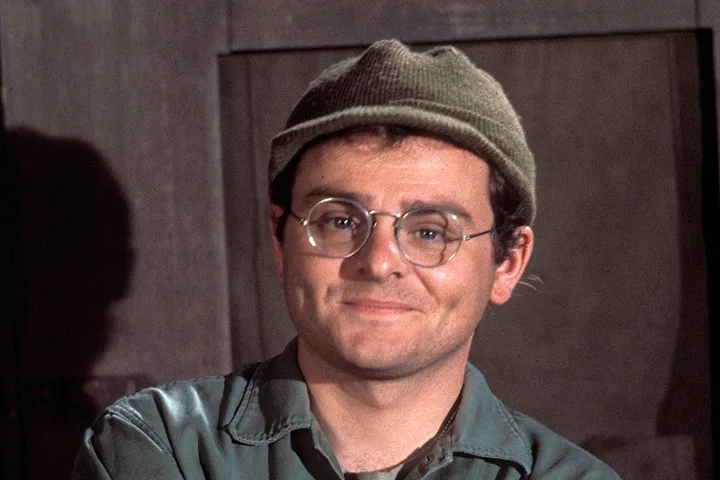
Gary Burghoff played Corporal Walter “Radar” O’Reilly for eight seasons on M*A*S*H and became one of the most recognizable faces on American television. Off camera, he fished. And like any serious angler, he spent considerable time thinking about how to do it better.
His 1993 invention, Chum Magic, was a floating container that dispensed bait slowly and consistently, creating a scent trail without requiring the fisherman to keep hurling fish parts overboard by hand. It actually sold. He also patented a tapered fishing pole for improved grip balance and a toilet seat-lifting handle for more hygienic use. Neither of those found commercial traction, but by then the patent office knew his name well.
The First Movie Star Gave Us Turn Signals
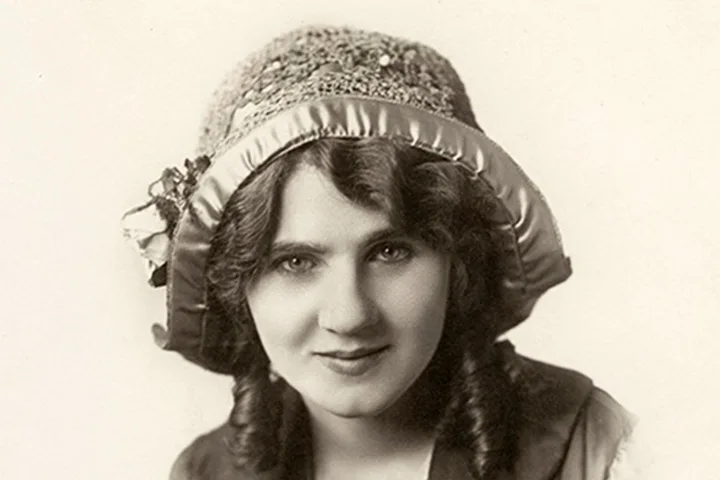
Florence Lawrence achieved fame in 1906, when films were still a novelty and studios didn’t bother crediting their actors by name. She was the first person audiences recognized on screen, the original movie star, and she was also quietly thinking about cars.
Lawrence invented a turn signal: an arm mounted on the car’s fender, raised or lowered via electric push buttons, to show other drivers which direction you intended to go. She never filed for a patent. She simply told the press and gave the idea away. Improved versions spread quickly across American roads. The woman who gave Hollywood its first star also gave drivers one of their most indispensable tools, and asked nothing in return.