The Woman Who Created Mother’s Day and Then Tried to Kill It

One Woman, One Grief, One Campaign
Anna Jarvis lost her mother in 1905. Most people mourn quietly. Jarvis wrote letters — hundreds of them, to politicians, clergymen, prominent businessmen — until the country couldn’t look away. The first official Mother’s Day celebrations landed in West Virginia and Philadelphia in 1908. Within four years, every state was marking the occasion in some form. On May 9, 1914, President Woodrow Wilson signed a proclamation making the second Sunday in May a permanent national holiday. She had turned private grief into public ritual.
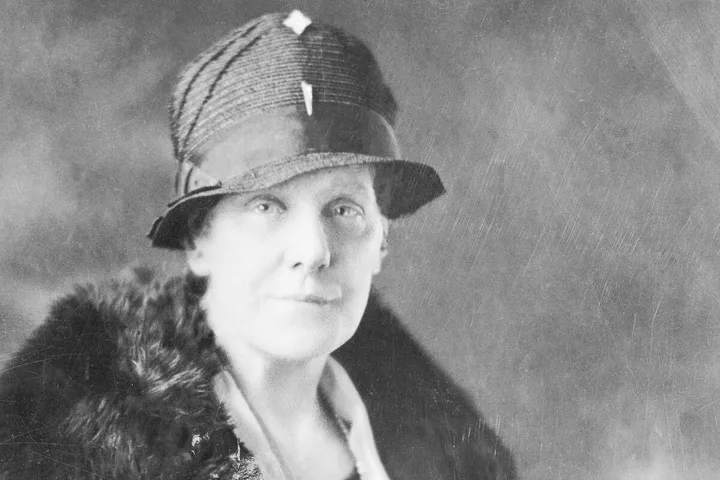
What drove her was something specific. Her own mother, Ann Reeves Jarvis, had run “Mothers’ Day Work Clubs” during the Civil War era, focused on public health and sanitation, then organized a “Mothers’ Friendship Day” meant to heal regional wounds after Appomattox. The elder Jarvis planted the seed. Her daughter devoted her life to making it bloom.
The Idea Had Been Floating for Decades
Julia Ward Howe — poet, suffragist, author of “The Battle Hymn of the Republic” — had been pushing a “Mother’s Peace Day” since the 1870s, imagining it as a salve for the wounds of the Civil War and the Franco-Prussian War. In 1904, Frank Hering, a former Notre Dame football coach and national president of the Fraternal Order of Eagles, made a public pitch for maternal recognition. The Eagles still claim partial credit for the holiday’s founding.
The idea was already in circulation. Jarvis just had the grief, the stamina, and the relentless letter-writing campaign to make it stick.
She Built It. Then She Wanted It Dead.
Jarvis had promoted the white carnation as Mother’s Day’s signature flower. By the 1920s, florists were hiking carnation prices every spring, and she was enraged. She called boycotts. She crashed events hosted by organizations she felt were warping the day’s original purpose. She went after First Lady Eleanor Roosevelt for invoking Mother’s Day as part of a fundraising campaign — even one aimed at reducing maternal and infant mortality.
By the end, Jarvis had spent her entire inheritance fighting lawsuits to protect the holiday from commercial exploitation. Shortly before her death in 1948, she reportedly told a journalist she was sorry she had ever started Mother’s Day. The woman who campaigned hardest to invent the holiday died trying to undo it.
“Sorry she had ever started Mother’s Day.”
FDR Sketched the Stamp Himself
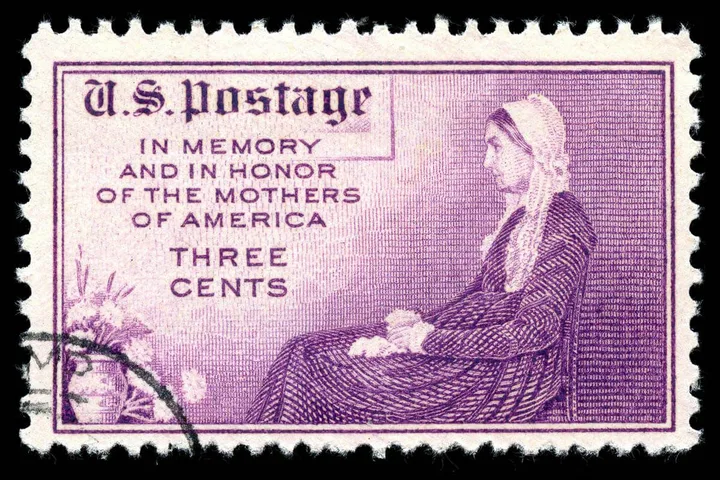
In early 1934, a request arrived at the White House: design a postage stamp honoring American mothers. Roosevelt grabbed a pencil and sketched a concept based on James McNeill Whistler’s painting “Arrangement in Grey and Black No. 1” — known to most people simply as Whistler’s Mother. The final printed stamp used a more faithful reproduction, but FDR’s inscription survived intact: “In Memory and in Honor of the Mothers of America.” It was on sale in time for Mother’s Day that spring.
The Guilt Economy Is Enormous
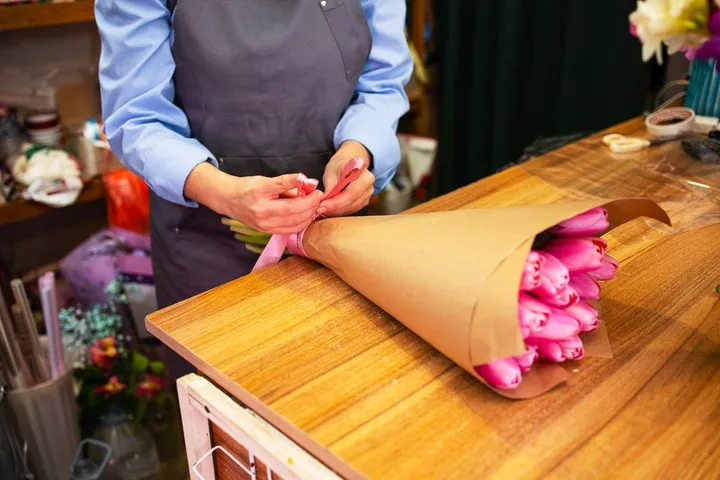
Jarvis lost the commercial war completely. Mother’s Day now drives roughly 113 million greeting card sales a year. The Society of American Florists puts the holiday at about 25% of all annual holiday floral revenue. In 2022, the National Retail Federation projected Americans would spend a record $31.7 billion on the day. One woman’s act of mourning became one of retail’s most reliable annual paydays.
The World Celebrates on Its Own Clock
More than 50 countries observe some version of Mother’s Day, each on a different calendar. In Mexico, the date is fixed at May 10 — children traditionally wake their mothers by singing “Las Mañanitas” before the household stirs. In Thailand, the holiday falls on August 12, the birthday of Queen Mother Sirikit, and children kneel before their mothers in formal respect. In Ethiopia, families gather for a three-day harvest-season festival called Antrosht, timed to the end of the rainy season around October.

Same impulse. Wildly different expressions. The calendar shifts, the songs and rituals change, but the underlying thing — stopping to acknowledge the woman who raised you — looks remarkably consistent across cultures and centuries.