Erika Kirk Says Reporters Filming At The WHCD Violated Journalism’s Cardinal Rule
She Walked Into That Room On Purpose
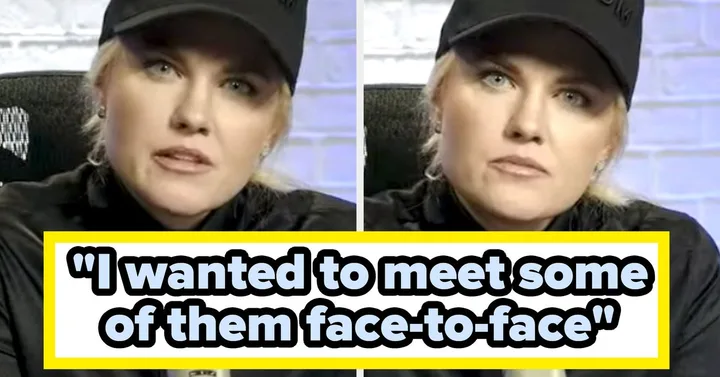
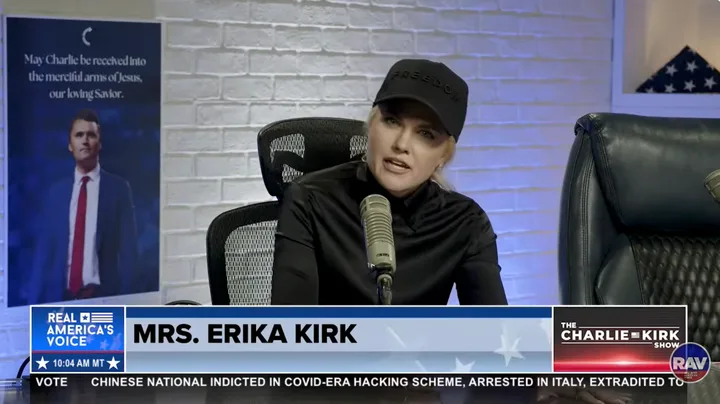
Erika Kirk didn’t stumble into the White House Correspondents’ Dinner. She chose to go, knowing the ballroom would be packed with reporters she believes have spent years trying to diminish her. She wore almost all black. Baseball cap pulled low. She looked like someone ready for a confrontation she’d been planning for a while.
“Many of the journalists in that room have attempted to dehumanize me,” she said Wednesday on The Charlie Kirk Show — the program that still carries the name of her late husband, conservative activist Charlie Kirk, who was assassinated in 2025. “I wanted to meet some of them face-to-face. Why have a conversation about me when you can have a conversation with me?” She didn’t name anyone she spoke with. She didn’t need to.
When A Gunshot Cleared The Ballroom
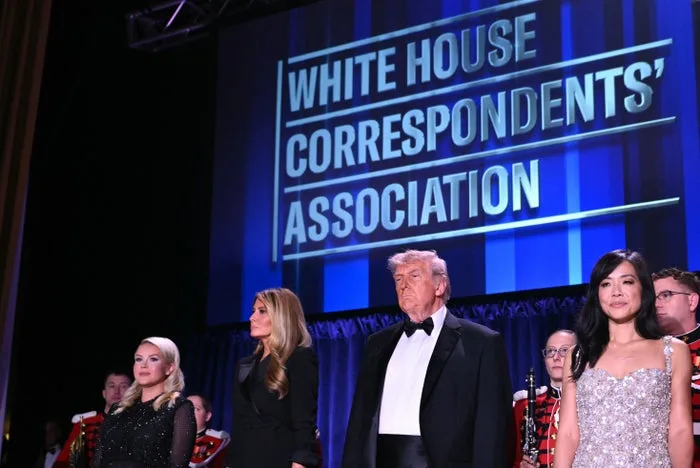
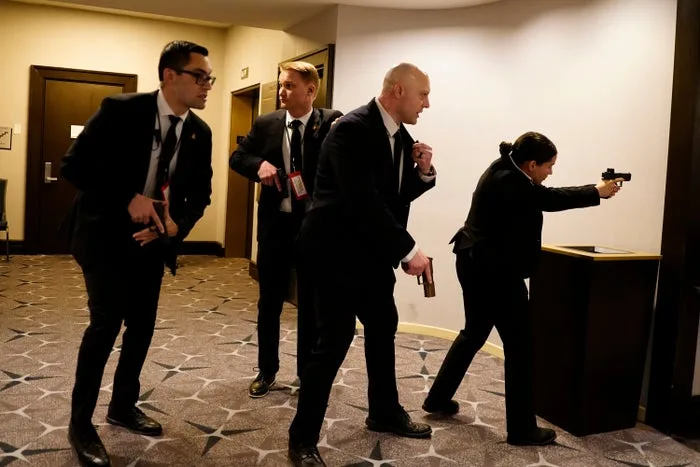
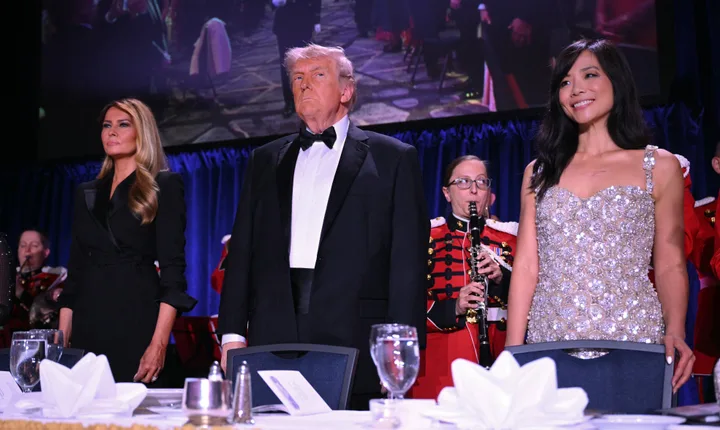
Saturday night’s dinner at the Washington Hilton turned violent fast. A suspect sprinted through a security checkpoint and opened fire. A Secret Service agent took a round to the bulletproof vest. Inside, the ballroom erupted — hundreds of formally dressed guests scrambling as armed officers rushed Trump and other dignitaries out.
Kirk was caught on camera mid-panic, tears streaming, telling someone nearby she just wanted to leave. Raw fear. No performance in it.
The Phone That Became The Problem
Days later, back on Real America’s Voice, Kirk had processed it enough to get precise. Her criticism wasn’t vague outrage — it was pointed. While an active shooter situation was still unresolved, she said, journalists around her were reaching for their phones.
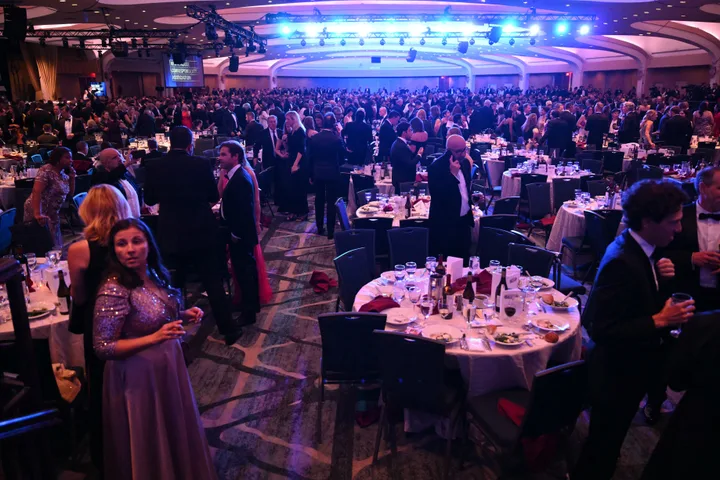
“They were so concerned about getting a video in a room with an active shooter that they could have accidentally and quite literally filmed themselves being shot,” she said. She argued that the drive to capture a moment had overridden basic self-preservation entirely.
Breaking The Rule They Live By
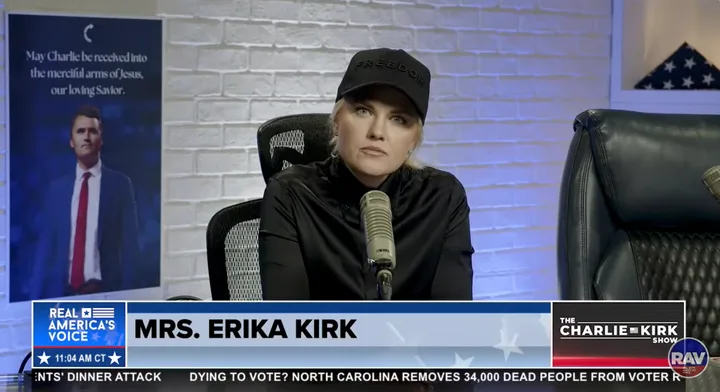
Kirk framed it as a kind of professional betrayal. The instinct to document, she said, had crowded out every human instinct beneath it.
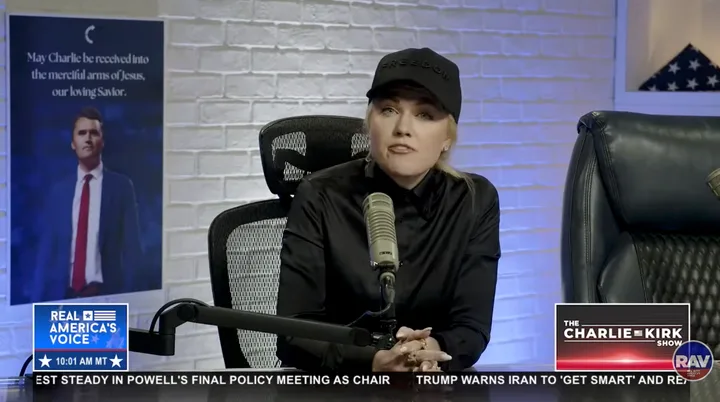
“Many of those people have become so desensitized that fight or flight became secondary to the opportunity of putting themselves into the story. Which ironically breaks the No. 1 rule of journalism.”
The rule she’s invoking — don’t become the story — is real. Every journalism program teaches it. The question is whether it applies to a reporter who pulls out a phone during a breaking news event unfolding three feet away. Most working journalists would say no. That’s not inserting yourself into the story. That’s the story.
What The Reporters Would Say
Weijia Jiang, the White House Correspondents’ Association president and the dinner’s lead organizer, was seated right next to Trump on the dais when shots rang out. She later reported on what she witnessed that night. Cellphone footage from attendees helped her reconstruct the sequence of events accurately.
For the journalists in that room, grabbing a phone wasn’t a failure of instinct. It was the reflex of people who spent careers training for exactly this kind of moment. Kirk sees desensitization. They’d call it preparation.