You’re Probably Breaking One of These Bizarre American Traffic Laws
Running on Empty Gets Expensive in Ohio
Most traffic infractions happen because someone did something reckless. In Youngstown, Ohio, you can get cited for something far more embarrassing: running out of gas. Section 331.44 of the city ordinances bars anyone from operating a vehicle inside the downtown congested district, bounded by Chestnut, Walnut, Boardman, and Commerce Streets, without enough fuel to actually leave it. First offense, fine. Second offense, bigger fine. Apparently some people need to learn this twice.
The Sandwich Horn Law of Little Rock
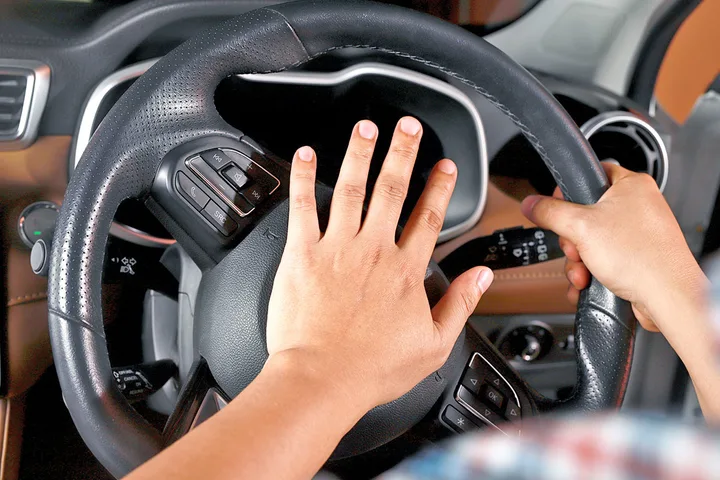
If you’re parked outside a diner in Little Rock, Arkansas, waiting on your order past 9 p.m., resist every instinct to lean on the horn. City code section 18.54 makes it illegal to sound a vehicle horn “at any place where cold drinks or sandwiches are served after 9:00 p.m.” The law doesn’t specify whether a full meal qualifies. Safest bet: just go inside.
Rockville Does Not Want to Hear It
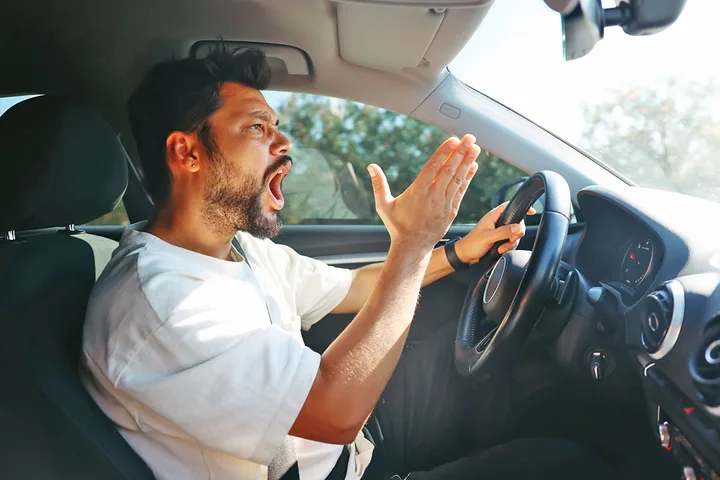
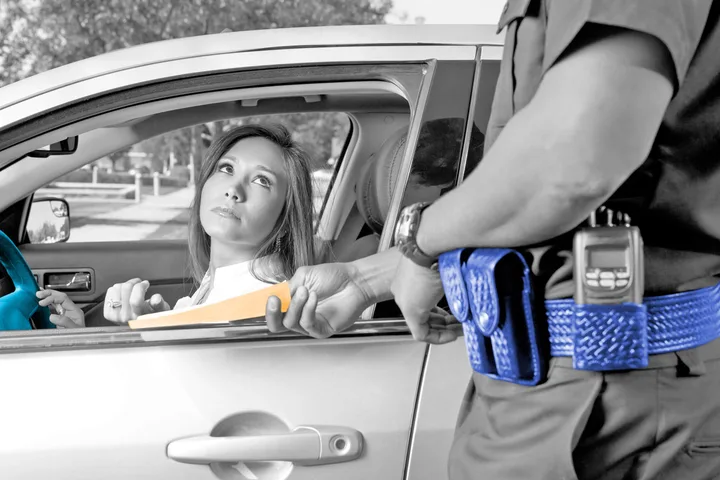
Cutting someone off in traffic has a way of unlocking vocabulary you didn’t know you had. In Rockville, Maryland, you might want to bite your tongue before using any of it. Ordinance 13-53 makes it a punishable offense to profanely curse or use obscene language within earshot of anyone passing by on a public road, sidewalk, or highway. Road rage rants are very much on the list of illegal activities here.
Westminster, Colorado Killed the Cruise
There was an era when cruising the main drag on a Friday night was a legitimate social event. Westminster, Colorado wants none of it after dark. Ordinance 10-1-18 makes it illegal to pass the same traffic control point more than three times in the same direction within any three-hour window between 9 p.m. and 4 a.m. The ordinance covers both drivers and car owners, so lending your keys to a known cruiser makes you equally guilty.
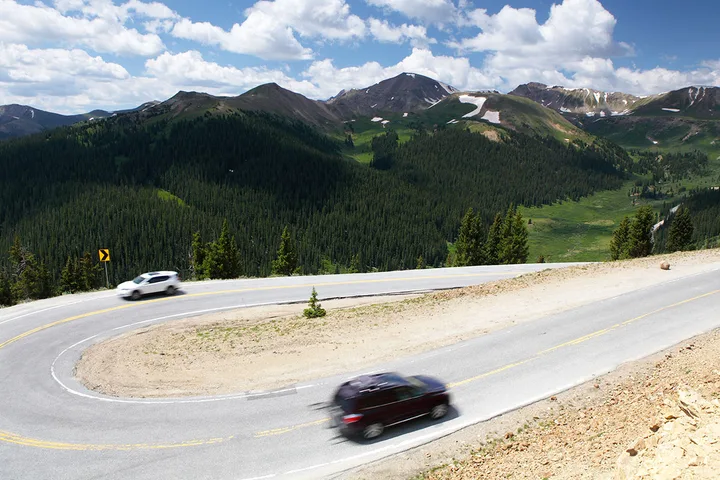
Three passes and you’re done. Go home.
Rhode Island Takes Horse Racing Personally
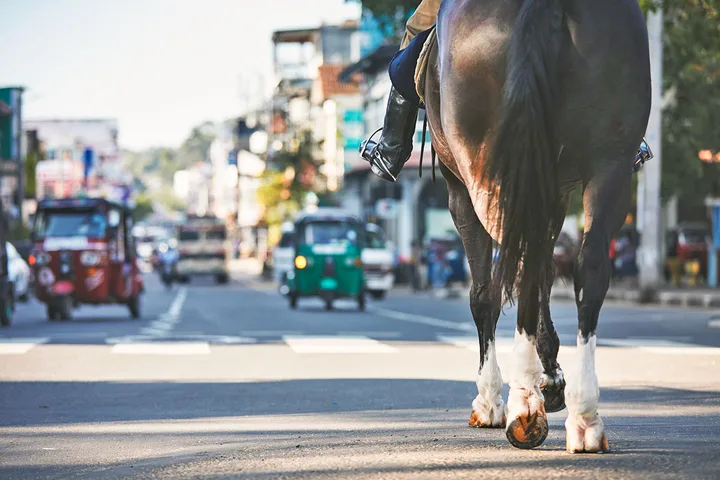
Riding a horse through Rhode Island is fine. Racing one on a public highway is not. State law 11-22-11 makes it illegal to drive any horse over the public roads for the purpose of racing or testing its speed. The penalty reads like it was drafted in another century because it was: up to $20 or ten days in jail. The statute still stands. Keep it to a trot.
In Georgia, the Chicken Didn’t Cross
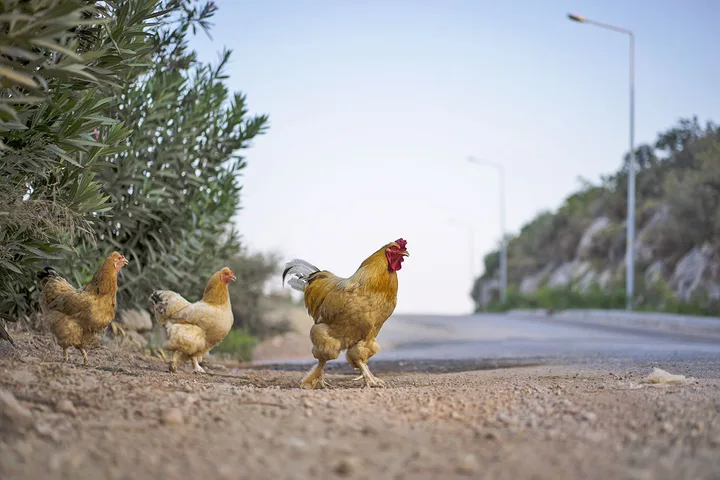
Quitman, Georgia calls itself Georgia’s Camellia City. Less charming, if you own poultry, is section 8-1 of the city codes: chickens, ducks, geese, and any other domestic fowl are prohibited from running loose on city streets or alleys. The old joke practically writes itself. In Quitman, it also writes a citation. Keep your birds in the yard.
The U.S. Army Created Nevada’s Camel Law
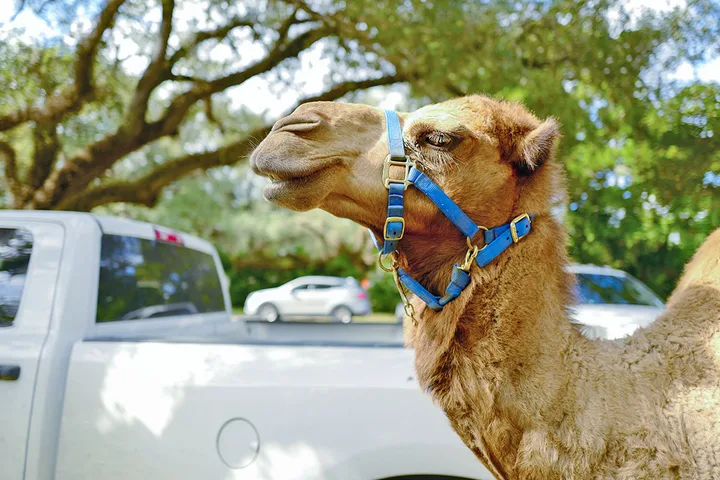
In the 1850s and ’60s, the U.S. Army imported camels to Nevada, convinced they’d outperform horses as desert pack animals. The experiment collapsed fast. The camels spooked horses, disrupted traffic on public roads, and generally caused chaos. The state legislature responded in 1875, passing an act making it illegal for camel or dromedary owners to let their animals run loose on public roads or highways. The Army’s scheme dissolved. The law did not.
Washington State Regulates the Hug

Washington’s Revised Code, section 46.61.665, covers a scenario you’d think wouldn’t need a law: it’s illegal to drive while holding another person in a way that prevents proper control of the vehicle. The language is magnificently bureaucratic: “has in his or her embrace another person which prevents the free and unhampered operation of such vehicle.” The point, stripped of legalese, is simple. Save the hug for the parking lot.