How Real New Yorkers Eat Like Kings on a Shoestring Budget
The $2 Oyster That Changes Everything
Most visitors land in New York, wander into the first restaurant that looks good, and walk out wondering how dinner cost $90. That’s the tourist tax. Locals eat differently — they know the rhythms, the hidden deals, the exact hour when raw bars start slashing prices to fill seats before dinner service.
Weekday happy hours run roughly 4pm to 7pm across the city, and oysters drop to around $2 each. Show up before 5pm, because by 5:30 the bar is three-deep and the wait becomes a commitment. Early arrival isn’t just polite — it’s the whole strategy.
A Slice Is Never Just a Slice
The New York slice is not fast food. It’s architecture. The right crust-to-sauce-to-cheese ratio, the fold down the middle, the grease bleeding through the paper plate — it’s a full experience for under $3. Dollar-slice spots are everywhere, and the best ones have lines out the door at noon for a reason.
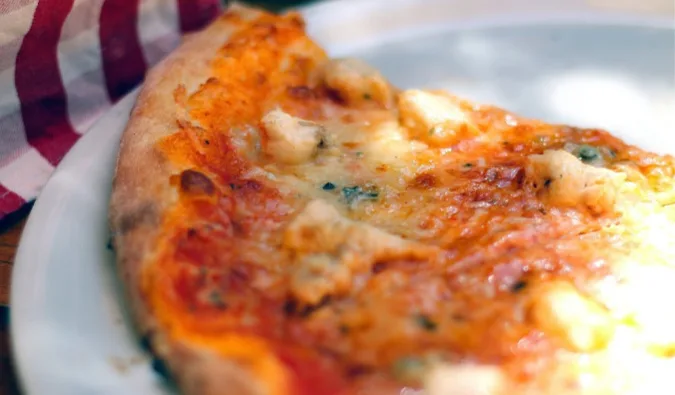
Slices run $1 to $5 depending on the shop and neighborhood. Skip the fancy wood-fired places in the West Village if you’re watching your wallet. Find a counter with fluorescent lighting and no seating. That’s the one you want.
Dumplings Fill You Up Twice
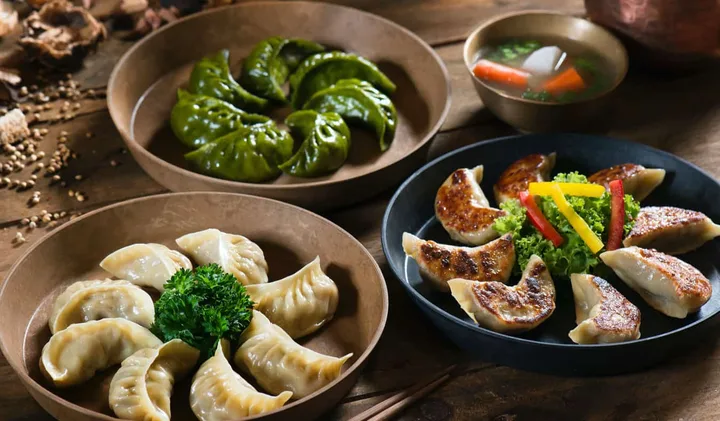
In Chinatown and Flushing, a plate of pork and chive dumplings costs around $3. Eight dumplings. Sometimes ten. Enough to eat for lunch and still have half for dinner. The city’s Chinese immigrant communities have kept these prices honest and the quality high — this isn’t a softened version aimed at tourists.
Get them pan-fried for the crisp bottom. Buy them frozen to take back to your place and cut the price in half again. Either way, it’s one of the most satisfying meals the city offers at any price point.
The Street Corner Hot Dog Has a Real Origin Story
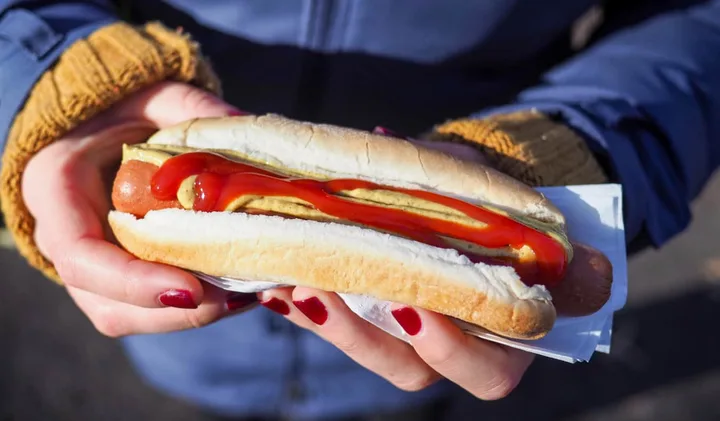
Nathan Handwerker was a Polish-Jewish immigrant who worked a Coney Island hot dog stand in 1915, learned the craft, then opened his own spot — undercutting his former boss’s prices to build a loyal following. Nathan’s Famous is still around. So is the underlying idea: cheap, fast, unapologetically good.
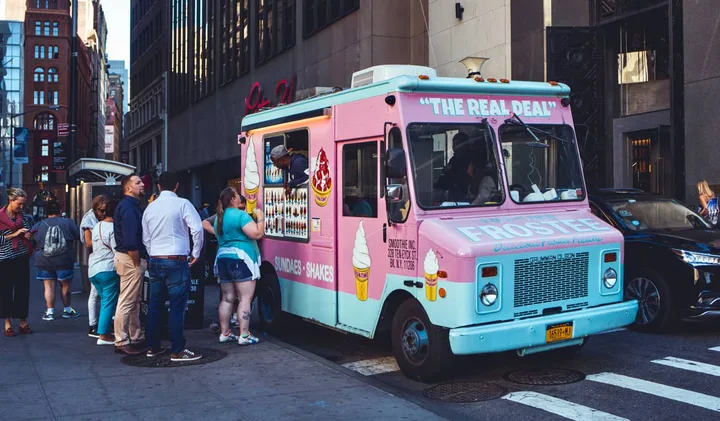
Street carts sell hot dogs for $2 to $5, loaded with mustard and relish, eaten standing up while cabs honk at each other. Food trucks parked near Central Park, Union Square, and Midtown run shawarma, gyros, and halal plates — a filling lunch for $12 to $15. It’s not a compromise meal. It’s Tuesday.
If you want something to grab from a deli or supermarket, the city’s grocery stores — many with full prepared-food sections — are an underrated option. Pick up a sandwich and eat it on a bench in Bryant Park. Half the city does exactly this.
Saturday Morning Means Bottomless Brunch
The bottomless brunch is a New York institution as serious as the subway. For $35 to $50, you get unlimited drinks — mimosas or Bloody Marys — alongside actual food. It’s a weekend-only ritual, and the social dimension is the whole point. Tables of friends camping for two hours, stretching a late morning into a long afternoon.
Hundreds of restaurants offer this deal. The price range is wide enough that you can find genuinely good food attached to the unlimited drinks, not just sad scrambled eggs and warm orange juice. Read the reviews. The gap between a great bottomless brunch and a miserable one is entirely in the research.
Bagels Are Non-Negotiable
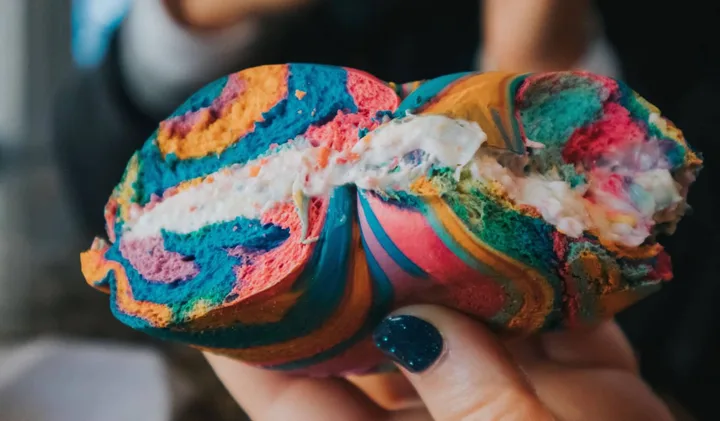
The New York bagel debate is not exaggerated. Ex-New Yorkers who’ve relocated to other cities mourn the bagel specifically — not the pizza, not the deli sandwiches, the bagel. Something about the water, the technique, the age of the equipment. A bagel with cream cheese runs $3.50 to $6.50. Add lox and it costs more, but you should add the lox.
The other secret is geographic. Manhattan charges a premium on everything. Cross into Queens and the same quality of food costs half as much. Flushing, Jackson Heights, Astoria — the outer boroughs eat just as well and charge a fraction of what Midtown does. Leave the island occasionally. You’ll be glad you did.
Work the Apps and Watch the Calendar
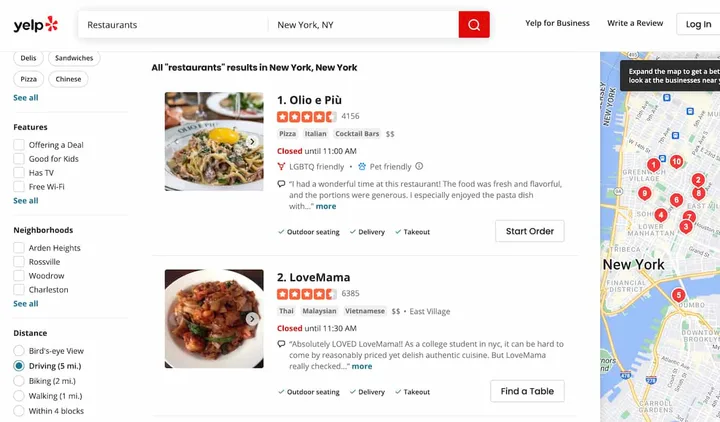
Yelp, Google Maps, and similar apps aren’t tourist tools — locals use them to find the $12 lunch special that’s not on the front menu, the neighborhood spot with 400 honest reviews that doesn’t advertise anywhere. Filter by price, read what regulars actually say, and ignore the places with five-star reviews and three total ratings.
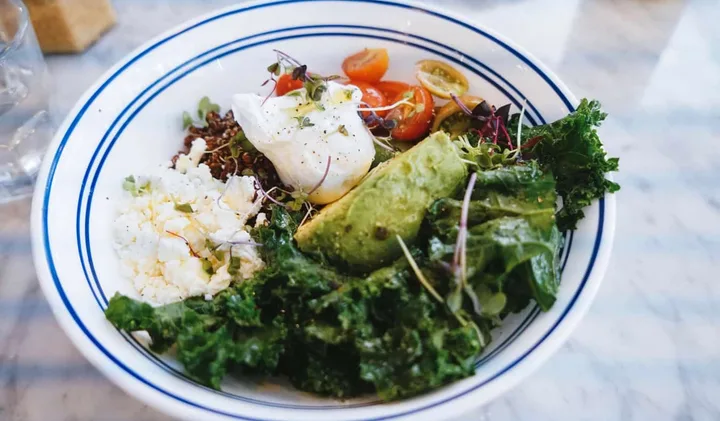
Once a year, NYC Restaurant Week opens over 380 of the city’s top restaurants for prix-fixe menus starting at $30 for two or three courses. The dates shift annually, so check the official site and book early. The same kitchen, the same chef — a fraction of the normal cost. It’s the one window when the $200-a-head places become something resembling accessible.
New York feeds 8 million people every single day. Most of them aren’t rich. The city built an entire ecosystem of cheap, great food to handle that reality. You just have to stop eating where the hotel concierge recommends.