New Poll Puts Trump’s Impeachment Support in Richard Nixon Territory
A Number That Stops You Cold
Fifty-five percent. That’s the share of American adults who told pollsters they want the House to move forward with impeaching President Donald Trump, according to a new survey from Strength In Numbers and Verasight. Thirty-seven percent opposed. Eight percent hadn’t made up their minds. The poll sampled 1,514 adults across the country.
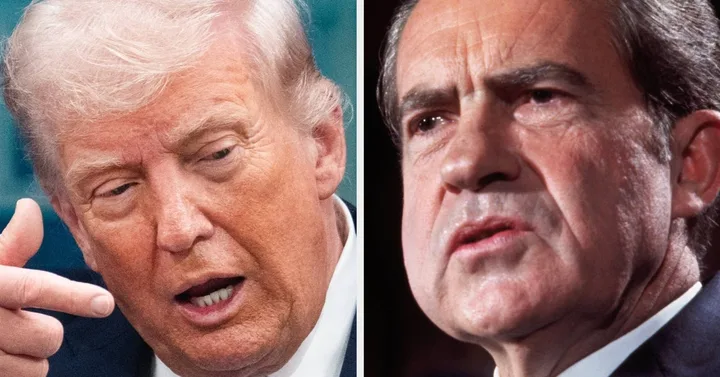
Pollster G. Elliott Morris, who published the results on his Strength In Numbers site on April 22, noted that the net approval figure — those in favor minus those opposed — lands at +18. That gap is wide enough to put Trump, in Morris’s words, “in the neighborhood of the numbers Richard Nixon saw at the peak” of Watergate. The scandal that ended a presidency.
What Nixon’s Numbers Actually Meant
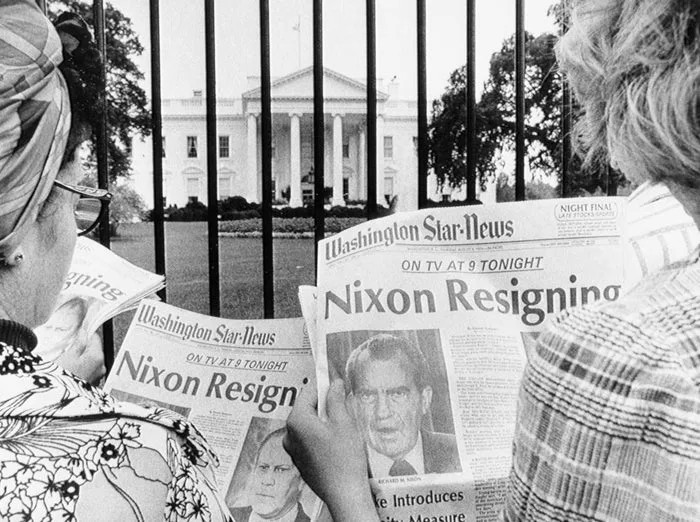
When Nixon’s support collapsed in 1974, it felt like a dam breaking. The photographs tell the story: stunned faces outside the White House fence, strangers reading the same newspaper headline — Nixon Resigning — as if they couldn’t quite believe the words. Public opinion had turned so decisively that even members of Nixon’s own party told him it was over.
Morris is careful not to declare history repeating itself. But his framing is pointed. “The 55% figure is unusual by modern impeachment-polling standards,” he wrote. Public support of that magnitude, sustained, is the kind of number that makes careers on Capitol Hill very uncomfortable.
The Threat That Broke Something
The timing matters. The poll was conducted shortly after Trump warned that he would wipe out the “entire civilization” of Iran — language that detonated across both parties. The backlash wasn’t confined to the left. Republicans who had stood by Trump through two previous impeachments started reaching for different vocabulary, with some invoking the 25th Amendment as a serious option rather than a talking point.
That kind of right-flank erosion is the thing that turns polling numbers into political crises. A president can survive opposition from the other party. Surviving opposition from his own is a different problem entirely.
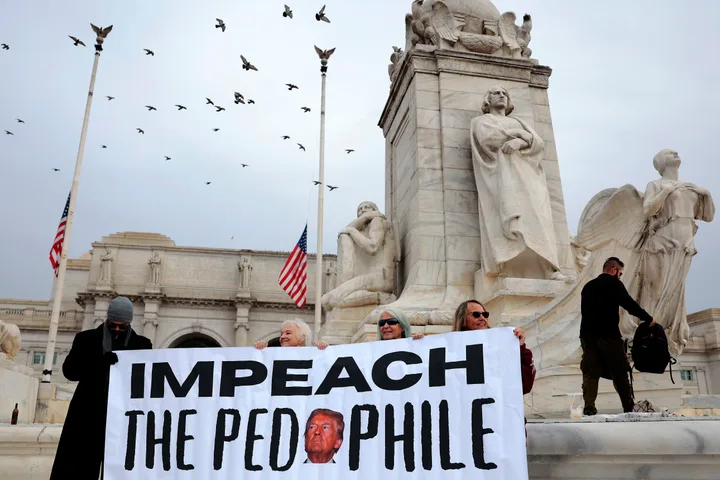
One in Five of His Own Voters
The detail buried in the crosstabs is the one that stings most. One in five of Trump’s own voters — people who pulled the lever for him — told this poll they support impeachment. That’s not a rounding error. That’s a constituency.
Morris has been tracking public opinion through enough political cycles to know when a number is noise and when it signals something structural. This one, he argues, signals something structural. Whether Congress acts on it is a separate question. But the public mood, measured in cold percentages, now sits in territory most American presidents have never come close to occupying.
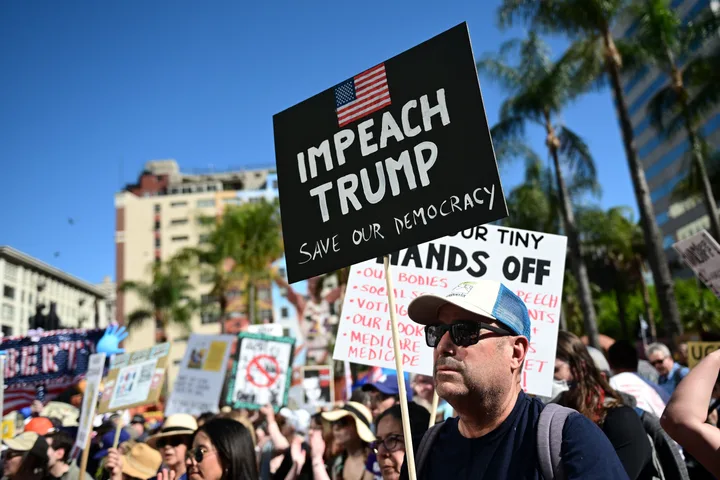
Outside the monuments and the hearing rooms, the signs have been going up for weeks. Crowds, blue skies, and the same blunt demand printed in letters large enough to read from across a plaza. The poll didn’t create that sentiment. It just counted it.