The Hot Pepper Facts Most Spice Lovers Have Never Heard
Chili Peppers Crush Oranges for Vitamin C
Oranges have had a hundred-year head start in the PR game. Early 20th-century advertising campaigns pushed orange juice on its vitamin content so relentlessly that the orange-equals-vitamin-C equation hardened into folk wisdom. Almost nobody questioned it. They should have.
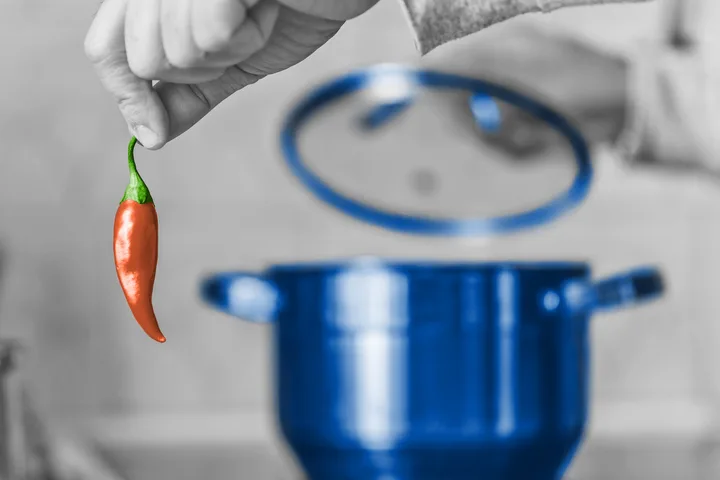
A cup of raw red chili peppers delivers 364 milligrams of vitamin C. A cup of orange comes in around 95.8 milligrams. That’s not a close race. Chili peppers carry roughly four times the vitamin C of oranges, and the reason runs deeper than nutrition — vitamin C is essential to the pepper’s own growth, acting as an antioxidant that shields the fruit from environmental stress.
Peppers also pack vitamin B6, which the body uses for metabolism, and vitamin K1, which supports bone and kidney health. The orange never stood a chance. It just had better advertising.
The World’s Hottest Pepper Will Wreck You
Since 2023, the title of world’s hottest pepper belongs to Pepper X, a cultivar clocking in at 2.693 million Scoville Heat Units. The Scoville scale, invented in 1912 by pharmacologist Wilbur Scoville, measures how many times a pepper’s capsaicinoids must be diluted before the heat becomes undetectable. At 2.693 million SHUs, Pepper X isn’t just hot. It’s a different category of punishment compared to a jalapeño, which lands between 2,000 and 8,000 SHUs.
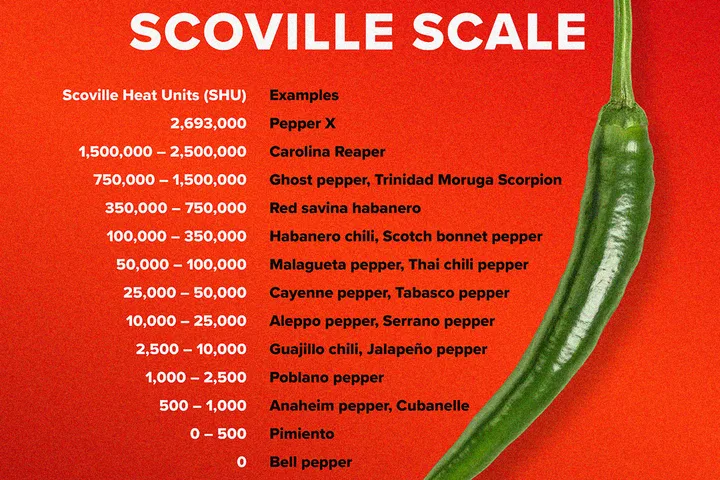
Pepper X was bred by Ed Currie, the American chili pepper breeder who also created the Carolina Reaper, which held the top Scoville ranking from 2013 to 2023 at 1,641,000 SHUs. Currie crossed the Reaper with a mystery pepper to produce Pepper X and hasn’t released seeds to the public.
His own account of eating it raw is instructive. He told Scientific American the pepper works beautifully in hot sauce and salsa. Raw? He “wouldn’t recommend eating it raw to anybody.” The stomach cramps lasted five to six hours.
Birds Eat Peppers. Mammals Suffer.
A parrot could eat a raw Pepper X without flinching. So could an iguana. Capsaicin targets a specific pain receptor found in mammals, called TRPV1. Birds, reptiles, and amphibians simply don’t have it. No receptor, no heat signal, no pain.
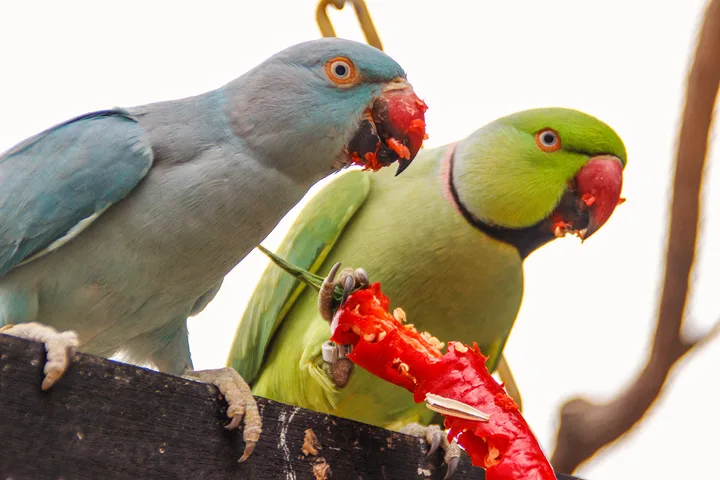
This isn’t accidental. Birds eating peppers and depositing seeds across wide distances is how the plant spreads. The capsaicin that deters mammals from consuming the fruit ensures birds remain the preferred distribution system. The pepper is effectively using pain as a sorting mechanism.
One mammal breaks the rule: the tree shrew. These small animals carry a genetic mutation that alters their TRPV1 receptors, blocking capsaicin from binding the way it does in every other mammal. They eat hot peppers freely. The rest of us pay the full price.
Five Wild Plants Behind Thousands of Peppers
There are roughly 26 wild species of Capsicum, the flowering plant genus that produces all peppers. Only five were ever domesticated. Those five are responsible for every pepper variety on grocery shelves, at farmers markets, and in restaurant kitchens around the world.
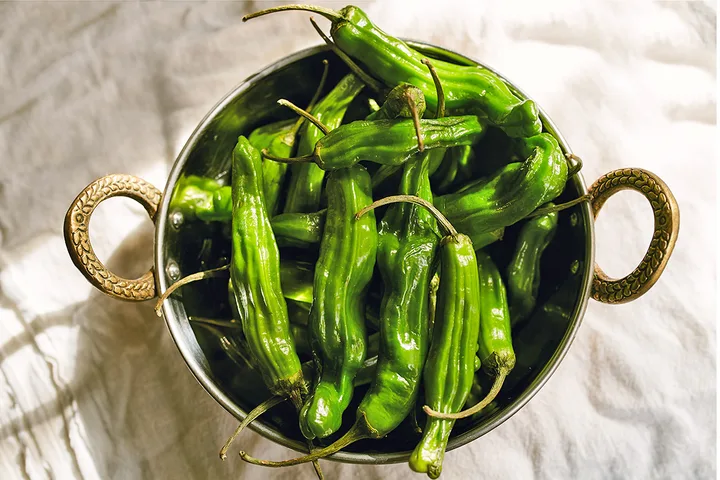
The five species are Capsicum annuum, C. chinense, C. frutescens, C. pubescens, and C. baccatum, all originating in South and Central America. Capsicum annuum alone covers jalapeños, poblanos, and cayenne. C. chinense gives us habaneros, scotch bonnets, and ghost peppers. C. frutescens is the source of the tabasco pepper.
C. pubescens yields rocoto, manzano, and locoto. C. baccatum offers the citrus-bright Lemon Drop and the aji amarillo, the orange heat bomb central to Peruvian cooking. The sheer variety that five botanical ancestors produce is staggering.
The Hottest Part Is Not the Seeds
Ask almost anyone where the heat lives in a chili pepper and they’ll say the seeds. Wrong. The seeds carry heat, yes, but the highest concentration of capsaicin sits in the pith, the white internal membrane running along the inside wall of the pepper.
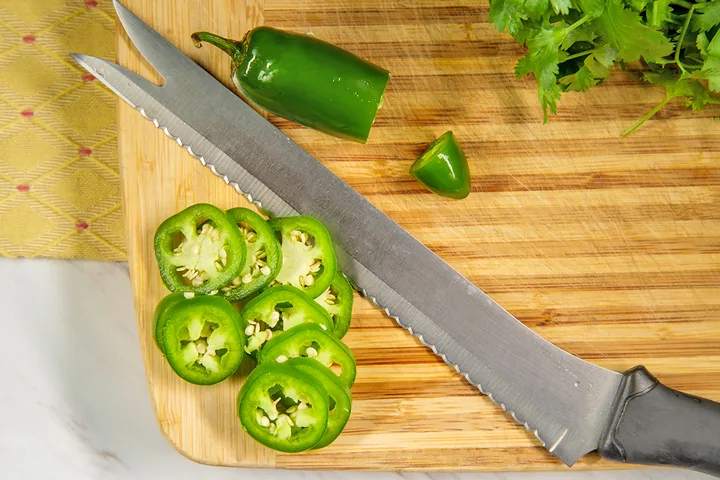
In a jalapeño, the numbers are unambiguous. The pith contains 512 milligrams of capsaicin per kilogram. The seeds carry 73 mg/kg. The flesh? A mild 5 mg/kg. The pith is roughly seven times hotter than the seeds and more than 100 times hotter than the flesh.
The pith consistently outpaces seeds in capsaicin concentration across every variety tested.
If you’ve been carefully scraping out seeds to dial back the heat in your cooking, you’ve been working on the wrong part of the pepper. The white membrane is where the real fire lives.