The Business Travel Cards That Road Warriors Actually Keep in Their Wallet

Stop Asking Which Card Is Best
There’s no universal answer. Anyone who tells you otherwise is selling something. The right business travel card depends entirely on what you want out of it — and most people haven’t actually stopped to figure that out before they apply.
Ask yourself one question first: what’s the goal? Free flights? Hotel elite status? Lounge access on a brutal layover? No foreign transaction fees when you’re expensing dinner in São Paulo? The answer changes everything. A card that’s a 10 for a Delta loyalist is nearly worthless for someone who flies United out of a hub city. Know your goal, then pick the tool.

That said, some cards are objectively stronger than others — better perks, more flexible points, smarter structures. Here’s what’s worth carrying in 2026.
The Platinum Card That Actually Earns Its Keep
The Business Platinum from American Express is the heavy hitter. Annual fee? High. Value? Higher, if you travel constantly and actually use what it gives you. Airport lounge access globally. Five times the Membership Rewards points on flights and prepaid hotels booked through Amex Travel. Statement credits that stack up fast for frequent fliers. The welcome offer runs as high as 300,000 Membership Rewards points after $20,000 in eligible purchases in the first three months.
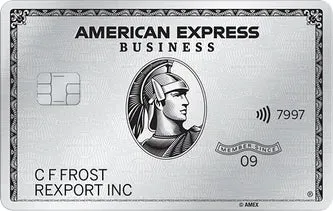
The catch is that you have to use the credits to justify the fee. If you’re flying twice a year and mostly working from home, this card will eat you alive. But if you’re grinding through airports every month, the math tips quickly in your favor. Lounge access alone changes the experience of a three-hour delay from miserable to manageable.
This is the card for someone who genuinely lives in terminals. Not an aspirational card. An operational one.
Capital One Built Something Worth Carrying
The Venture X Business is Capital One’s answer to premium business travel, and it’s a strong one. Two times miles on every dollar, no category games required. Annual travel credits. Lounge access. A roster of transfer partners that’s legitimately competitive. The welcome bonus clocks in at 150,000 miles after $30,000 in spending within the first three months.

The annual fee is reasonable enough that the travel credits nearly cover it on their own. Use the card for everything and the miles accumulate without thinking. No rotating categories. No quarterly enrollment. Just spend and earn.
The transfer partners are the quiet selling point here. Capital One has built a network that lets you move miles to airlines and hotels at solid rates — which means the value of those miles isn’t capped at a flat redemption. Seasoned points players know how to squeeze real premium cabin value out of them.
Two Miles on Everything, Full Stop
The Capital One Spark Miles card is the stripped-down version of the same philosophy. Fifty thousand bonus miles after $4,500 in purchases within the first three months. Two miles per dollar on every single transaction, no exceptions.

It’s the card for the categories that don’t get bonuses anywhere else — paying contractors, buying supplies, covering vendor invoices. Flat-rate cards exist precisely because no one’s spending portfolio fits neatly into preset categories. This one fills the gaps that other cards leave behind.
Simple. Reliable. Easy to understand. Some cards get impressive mileage just by being uncomplicated.
The Gold Card That Rewards Your Biggest Bills
The Amex Business Gold card takes a different approach: four times Membership Rewards points on the two categories where your business spends the most, chosen from six eligible options, up to $150,000 per category annually. The welcome offer reaches as high as 200,000 points after $15,000 in eligible purchases in the first three months.
For businesses with concentrated spending — heavy on advertising, shipping, or technology — this card punches above its weight. The math gets interesting fast when your top two categories are generating quadruple points every month. Pair it with a flat-rate card for everything else and you’re covering nearly every scenario at an elevated earn rate.
How the Pros Actually Split the Stack
The smartest move isn’t finding one perfect card. It’s building a small stack that covers your needs without creating a management nightmare. A dedicated airline card for status and pay-with-points perks. A hotel card if you have loyalty to one brand. A flexible points card for everything else.
Shift spending when you need to hit a welcome bonus. Use the right card in the right category. Don’t overthink it past that. The goal is free travel and fewer fees — not a part-time job managing spreadsheets about your points portfolio.
Keep it to two or three cards and you’ll stay sane. Want maximum simplicity? One airline or hotel card for those specific perks, and one strong flexible card for the rest. That’s it. That’s the whole system.