Six Animals That Came Back From the Edge of Total Extinction

The Numbers Are Grim, But Not Hopeless
Over 37,400 species are currently sliding toward extinction, according to the IUCN Red List. That number is hard to sit with. But buried inside the catastrophe are genuine victories — animals that were weeks or years from vanishing and didn’t. Governments acted. Scientists got creative. And somehow, improbably, it worked.
These are six of those stories.
The Panda’s Slow Climb Back
By the early 1980s, the giant panda was in serious trouble. Poaching and habitat destruction had gutted their population. China responded with legislation banning the hunting and trade of pandas and, in 1992, established a network of protected reserves that now number 67. Logging in panda forests was halted outright.
The 2014 census counted more than 1,860 wild pandas — up 17% from a decade earlier. In 2016, the IUCN upgraded their status from “Endangered” to “Vulnerable.” Still fragile. Still watched. But the trend line finally points up.
Two Hundred Million Years, Almost Gone
American alligators have been around since before the dinosaurs disappeared. That didn’t protect them. By 1967, when the species was listed under federal law, hunting had driven their numbers to record lows. The response was swift: hunting bans across the Gulf South, coordinated state and federal protection, and time.
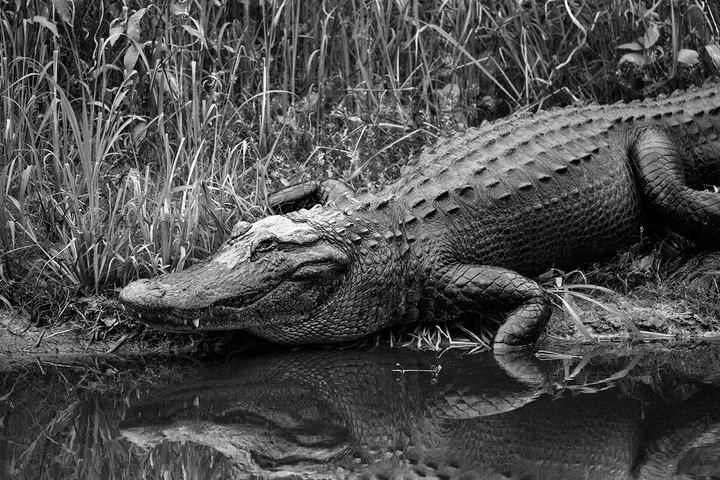
The recovery was fast enough to be startling. By 1987 — just two decades later — the Fish and Wildlife Service declared the American alligator fully recovered and pulled it from the endangered list. They now range across the Atlantic and Gulf coasts, thick in the Florida Everglades. A conservation win that happened almost quietly.
America’s Bird Nearly Lost Its Wings
In 1963, there were roughly 400 nesting pairs of bald eagles left in the lower 48 states. Four hundred. The birds had been hammered by habitat loss, illegal hunting, and DDT — a pesticide that thinned their eggshells so severely that chicks rarely survived. The species was disappearing in plain sight.
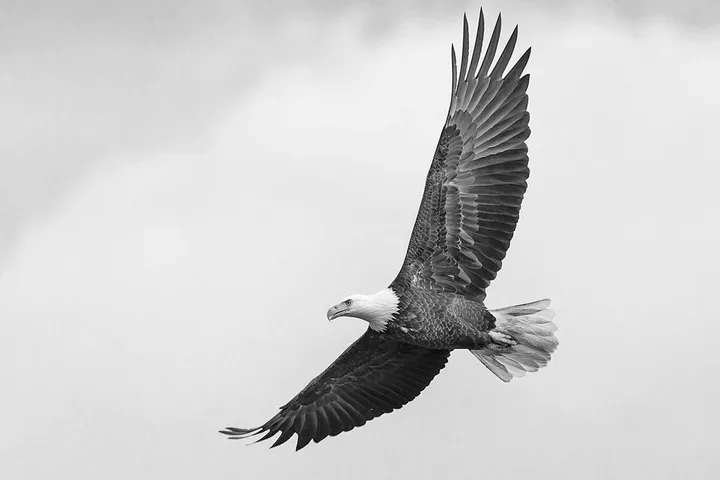
The EPA banned DDT in 1973. That same year, bald eagles received federal protection under the newly signed Endangered Species Act. Populations crept back. By 2007, there were 10,000 nesting pairs — enough to remove the eagle from the list. During the 2019 breeding season, an estimated 316,700 bald eagles were flying over the lower 48. From 400 pairs to hundreds of thousands. The turnaround is almost hard to believe.
The Wolf That Came Back to Yellowstone
Gray wolves were methodically eliminated from the American West over the course of the early 20th century. Ranchers killed them to protect cattle. By 1975, when they were listed as endangered, barely 1,000 remained, most of them in northern Minnesota. The wolf had essentially been erased from the land it had shaped for millennia.
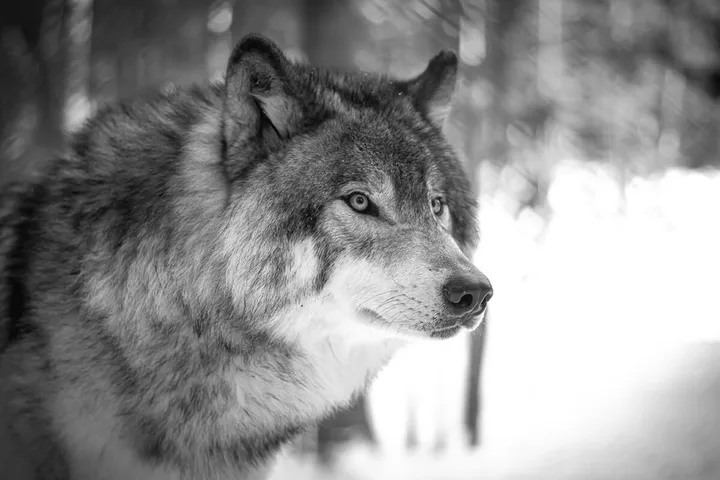
Reintroduction to Yellowstone National Park in the mid-1990s changed everything. Wolves returned. Elk behavior shifted. The park’s ecology began to rebalance. Today, the U.S. gray wolf population exceeds 6,000. Debate over removing ESA protections continues — many scientists argue the recovery isn’t solid enough to justify delisting — but the wolves are there, hunting in places that had been silent for decades.
The Second-Largest Animal on Earth, Returning
Fin whales — the second-largest creatures alive — were hunted relentlessly through the 20th century for their blubber, meat, and oil. Commercial whaling devastated their numbers across every major ocean. The machinery of that industry was vast and efficient, and it nearly finished the job.
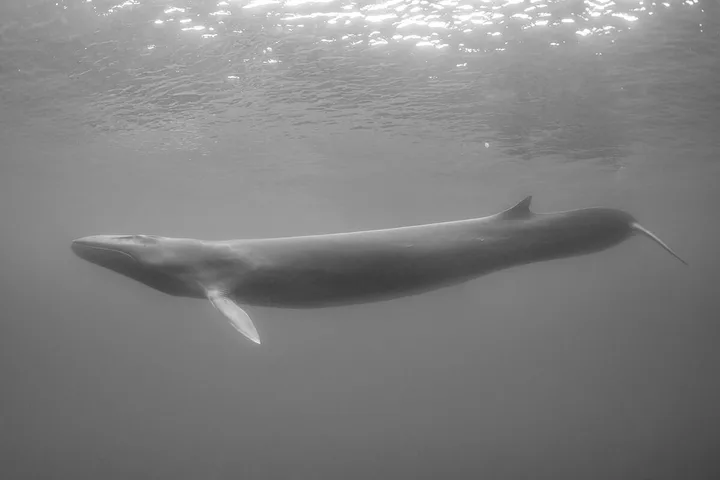
International whaling bans, beginning in the 1970s, started to reverse the damage. Since then, the worldwide fin whale population has roughly doubled. The IUCN upgraded their status from “Endangered” to “Vulnerable.” In U.S. waters, their biggest threat now isn’t harpoons — it’s ship strikes. Progress, yes. But the ocean is still working against them.
Twelve Birds on a Lonely Island
The echo parakeet lives only on Mauritius, a small island off the east coast of Africa. By the 1980s, fewer than a dozen remained. Habitat destruction had stripped their forests. Rats, monkeys, and invasive predators had gutted their nests. The species was, by any practical measure, functionally gone.
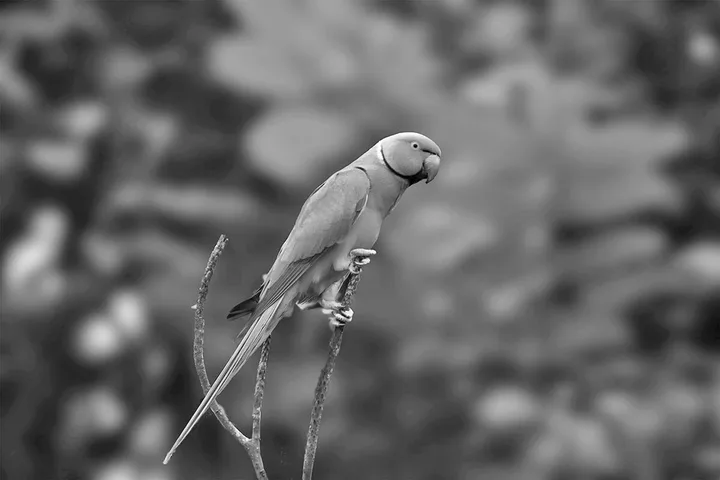
The rescue operation was meticulous. Nests were treated with insecticide to kill flies attacking chicks. Nest boxes were reinforced against predators. Supplemental feeding programs kept birds alive through lean seasons. In 1993, a captive breeding and release program launched.
There are now more than 750 echo parakeets living wild on Mauritius. The IUCN downgraded their status from “Critically Endangered” to “Vulnerable.” That shift in a single word represents thousands of hours of fieldwork, hundreds of individual birds saved, and one of the quietest conservation victories on record.