Jason Momoa Almost Played the Villain Before Choosing to Be Aquaman
The Role That Almost Was
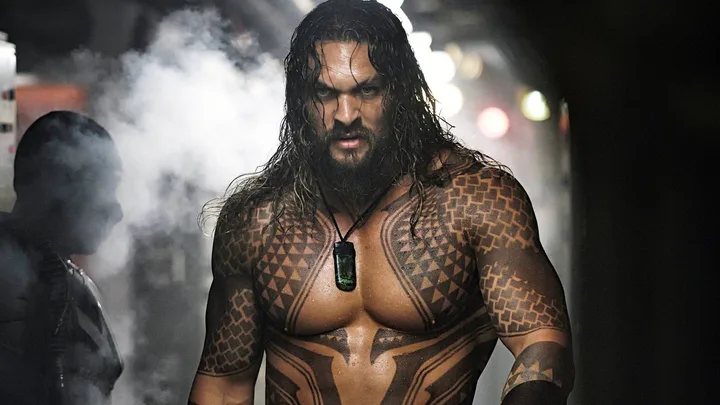
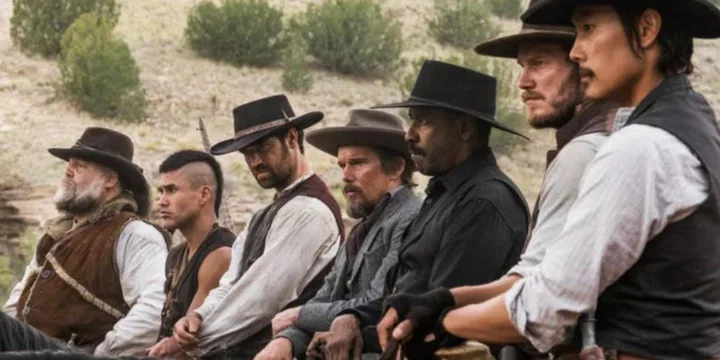
Before Jason Momoa was hauling tridents and flooding city blocks, he was this close to strapping on spurs. In the mid-2010s, director Antoine Fuqua was assembling his remake of The Magnificent Seven, and Momoa had signed on to play the villain — a heavy, grim-faced enforcer role that would eventually go to Peter Sarsgaard. The cast around him was stacked: Denzel Washington, Chris Pratt, a roster of action heavyweights who could carry a studio Western.
It looked, on paper, like a serious career move. A genre film with real pedigree, real stars, real muscle behind it.
The Better Offer
Then DC called. The offer was Aquaman — not a supporting slot, not a cameo, but the lead of a franchise with years of runway already built in. Two roles, same window. One was a one-shot Western villain with no sequel in sight. The other was a cornerstone of a shared universe that had already grossed billions.
Momoa took Aquaman. Of course he did. The math was obvious, even if the creative gamble wasn’t — nobody quite knew whether Arthur Curry could be cool, whether audiences would buy this particular actor in this particular cape. They did. Massively.
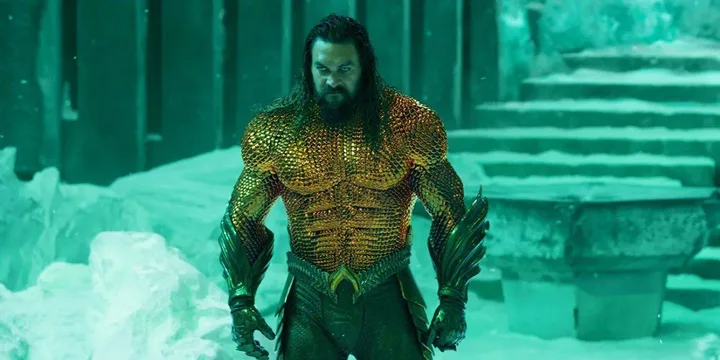
The 2018 film crossed a billion dollars at the global box office. Momoa didn’t just play the character — he rebuilt the character’s reputation from punchline to fan favorite. That success opened doors: Dune, Fast X, Minecraft. A career that had stalled at the edge of mainstream broke through entirely.
What Got Left on the Table
Still, the counterfactual is worth sitting with. The Magnificent Seven remake is a better film than its reputation suggests — punished, mostly, for not being the 1960 original. It earned a real cast and real craft. Momoa as the physical antagonist could have tilted the final act. Sarsgaard played the villain as a man whose power comes from money and malice, not muscle. Momoa would have brought something rawer. A threat you could feel across the screen.
There’s also an argument that the film would have suited him. He was still finding his register as an actor — learning what to do with his size and his charisma when the cameras rolled. A villain role in an ensemble, without the weight of carrying a whole production, might have been exactly the kind of low-pressure crucible a performer needs. Room to experiment. Room to fail without sinking the ship.
The Mismatch Nobody Talks About
But here’s the thing about Momoa: he doesn’t do grim. Aquaman works precisely because Arthur Curry is a chaos agent, someone who laughs in fights and looks genuinely delighted by absurdity. The gruff, stone-faced Western enforcer — the type who speaks in half-sentences and stares people down — that’s not his natural gear. He’d have had to work against himself to land the role convincingly.
Sarsgaard, meanwhile, played it exactly right. Cold intelligence over brute menace. Momoa replacing him wouldn’t have been a straight upgrade — it would have been a different film, with different strengths and different problems.
Lobo Closes the Loop
Which makes what’s coming next genuinely interesting. James Gunn’s DCU reboot has Momoa returning to DC comics — not as Aquaman, but as Lobo, the intergalactic bounty hunter. He’s playing an antagonist in Supergirl: Woman of Tomorrow, a character who exists somewhere between cosmic mercenary and Western legend. A lone gun. Gruff. Physically enormous. Built for confrontation.
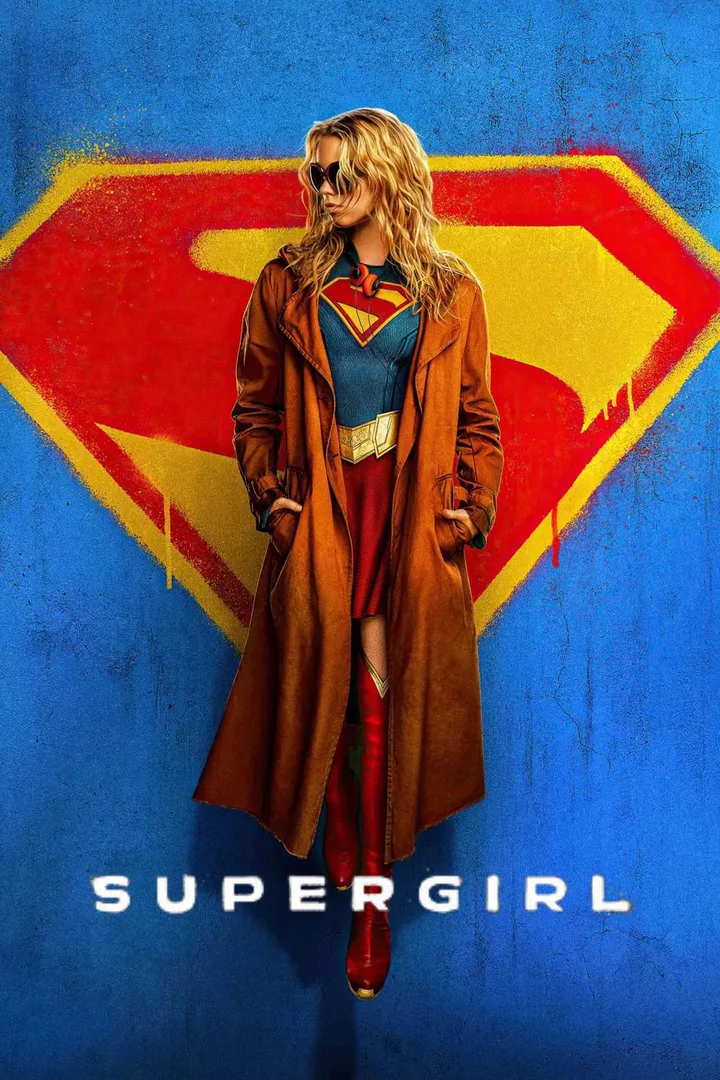
Lobo is, almost shot-for-shot in temperament, the role Momoa walked away from in 2016. The lone-gunslinger energy is baked into the character’s DNA — he’s a bounty hunter with a mythology built around his own brutality, a figure other characters warn each other about before he arrives on screen. That’s classic Western villain architecture, just rerouted through science fiction.
So the decade-long detour through Aquaman eventually delivers Momoa to exactly the character type he was circling when Fuqua’s casting directors came calling. He just had to become a franchise star first.
What Comes Next
Momoa has said Lobo was always the dream role — a character he wanted before DC ever offered him a trident. The switch carries a certain logic. Aquaman made him famous. Lobo, if Gunn’s track record holds, could make him genuinely dangerous on screen in a way he hasn’t been since Game of Thrones.
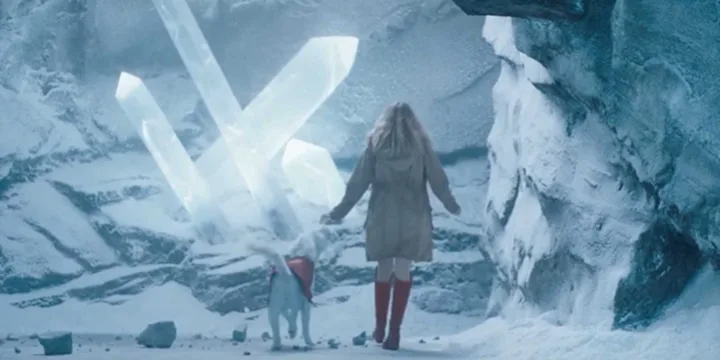
The question now is whether the character gets the material to match Momoa’s energy. The Magnificent Seven would have been a ceiling — one film, one villain, and out. Lobo is a universe-sized character with decades of source material. If Momoa commits the way he committed to Aquaman, audiences may forget entirely that he ever played the hero.
He passed on the Western villain in 2016. He’s finally getting there anyway.