The Cheap Flight Tricks That Make Budget Travel Actually Worth It
Lounges Are Not Just For Business Class
Here’s what most people flying Frontier or Spirit don’t know: the lounge is not locked behind a first-class ticket. Anyone willing to do ten minutes of research before their flight can walk into one. The trick is knowing which lounges at your departure airport accept pay-per-day guests or Priority Pass members.
Priority Pass memberships start at $99 a year. Orlando International is a good case study — The Club at MCO sits in both Terminal A, home to Frontier and Southwest, and Terminal B, where Breeze and Sun Country operate. A $50 day pass gets you hot food, beer and wine, proper Wi-Fi, and a chair that doesn’t face a gate monitor blaring CNN. That’s a different universe from the departure hall.
Premium credit cards like the Chase Sapphire Reserve or the Amex Platinum bundle lounge access into their annual fees. If you already carry one of those cards, you may already have access and just haven’t used it.

The Seat You Pick Changes Everything
Budget carriers assign you a middle seat in row 28 by default, and they do it on purpose. They want you to pay for an upgrade. Sometimes, you should. On a two-hour flight with your knees jammed against a tray table, a $15 exit-row seat is the best fifteen dollars you’ll spend all trip.
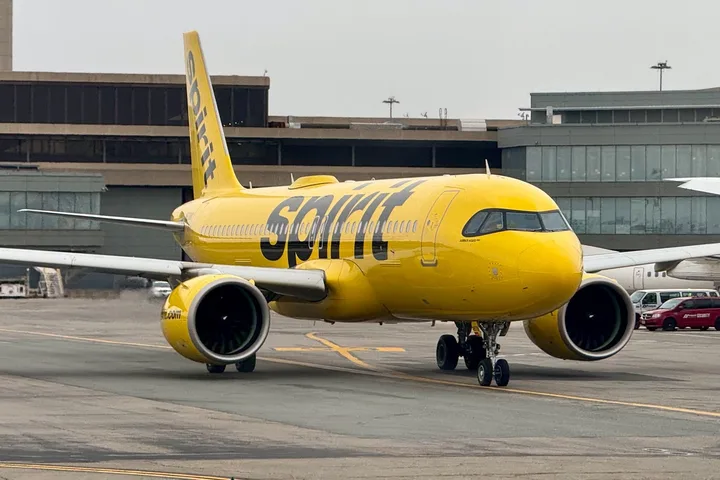
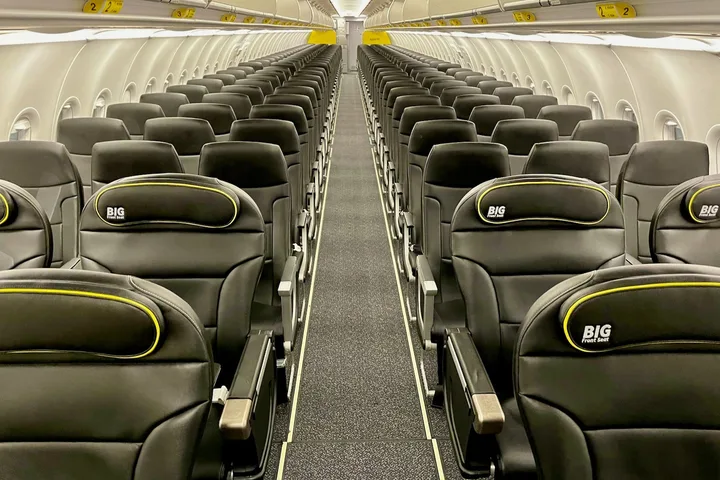
Think practically about placement. Low-cost airlines routinely board and deplane from both the front and rear doors — so a seat near either exit means you’re off the plane faster. Spirit’s seat pricing swings wildly, from $1 on some routes to $250 for a Big Front Seat, which is genuinely spacious. Weigh the upgrade cost against your ticket price and the flight length before you click.
Families get one extra consideration: some budget carriers will seat your group together without charging extra if you call ahead or check the policy. Don’t pay for something you were already entitled to for free.
TSA PreCheck Is Worth Every Cent
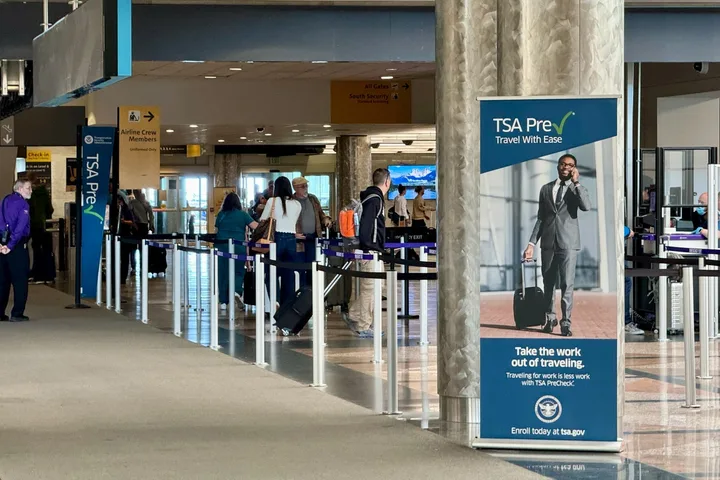
Five years of skipping the security circus costs $78. That’s less than a checked bag on most budget carriers. With PreCheck, your laptop stays in your bag, your shoes stay on your feet, and you walk through a metal detector instead of standing spread-eagle in a body scanner while a stranger stares at a screen.
At busy airports — Atlanta’s Hartsfield-Jackson, JFK, LAX — the standard security line can swallow 45 minutes of your morning. The PreCheck lane moves fast. It’s a narrow, unglamorous advantage, but it’s real.
Global Entry, which costs $120 for five years and covers international arrivals too, includes PreCheck automatically. A handful of premium credit cards reimburse that fee entirely — check your card benefits before paying out of pocket.
Bring Your Own Food, No Apologies
Airport food is expensive and usually mediocre. The granola bar at the terminal newsstand costs four dollars. The sad sandwich costs twelve. The budget airline snack cart charges more than that and arrives lukewarm. None of this has to happen to you.
Pack food at home. A sandwich, some fruit, trail mix, whatever travels well — it all clears security without issue as long as it’s solid and not liquid. You board the plane fed, you skip the food cart entirely, and you land without having spent $20 on airport calories you didn’t enjoy.
Know Your Bag Limits Before You Get to the Gate
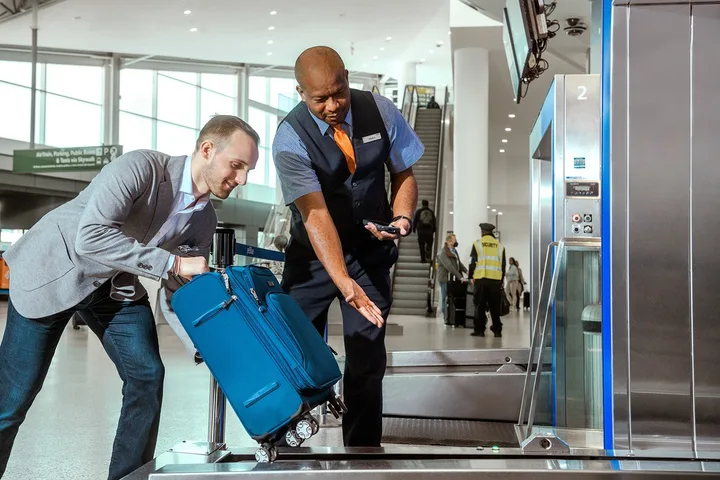
The worst moment in budget travel is a gate agent pointing at your carry-on and telling you it’s too big. What follows is a last-minute fee that costs more than if you’d paid for checked luggage upfront — and the quiet humiliation of holding up the boarding line while you reorganize your life.
Every budget airline publishes its size and weight limits. They are not the same. Frontier’s allowances differ from Spirit’s, which differ from Ryanair’s. Measure your bag at home against the airline’s specific rules, not a vague memory of what you got away with last time.
Your Phone Is Now Your In-Flight Entertainment System
Budget carriers don’t have seatback screens. Most don’t have Wi-Fi worth paying for. What they have is a tray table and a couple of hours of your time — and that’s your problem to solve before you board.
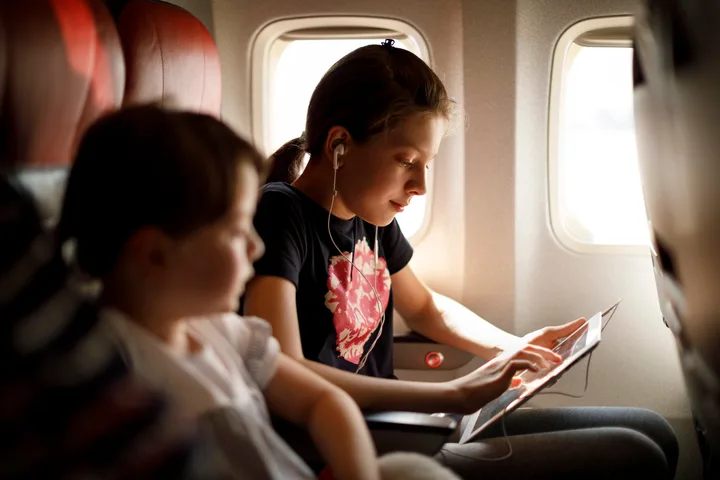
Download episodes. Download a film. Charge your devices the night before and bring a portable battery pack in case the seat has no USB outlet. A lightweight tablet propped against your bag works better than hunching over a phone for two hours.
If you’re flying with kids, this prep becomes non-negotiable. A loaded tablet with headphones is the difference between a manageable flight and a miserable one for everyone within four rows of you.
A Little Planning Beats a Premium Ticket
Budget carriers earn their reputation honestly — legroom is tight, the extras add up fast, and nothing is included that they can possibly charge you for. But the base fare is real. On short domestic routes, the price gap between a budget carrier and a legacy airline can be $150 or more each way.
Close that gap with preparation. A lounge day pass here, a PreCheck enrollment there, a sandwich from home, and a downloaded season of something good — and the flight stops being something to endure. You’re not flying in the wrong class. You’re just flying smarter than the person next to you who forgot to plan.