The Strange Global History of April Fools Nobody Taught You in School
Nobody Knows Why It’s April 1
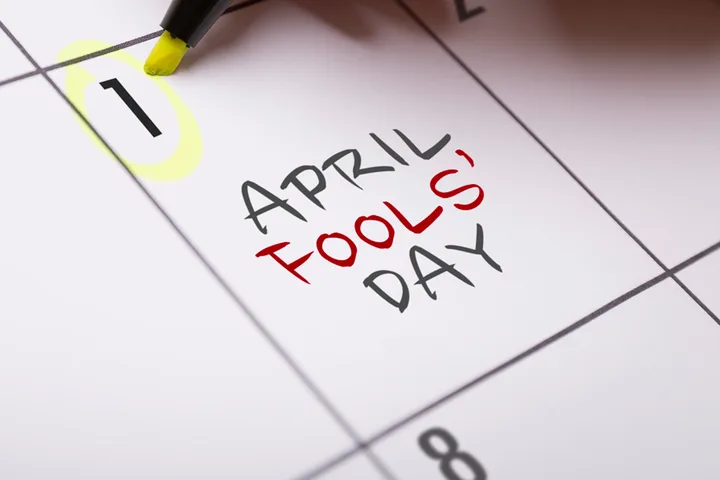
Every year, millions of people get duped, pranked, and thoroughly embarrassed on the same calendar date — and historians still can’t agree on why that date exists. April Fools’ Day is one of the oldest informal holidays in the Western world, observed across dozens of countries, with zero official origin story.
The most repeated theory traces it back to Hilaria, an ancient Roman festival held on March 25. Romans celebrated with games, costumes, and practical jokes. Scholars have long suspected Hilaria planted the seed for what would become April 1 celebrations, though the date shift from late March to the first of April has never been satisfactorily explained.
A second theory points to 1582, when Catholic countries switched from the Julian to the Gregorian calendar, moving New Year’s Day from late March to January 1. Protestant nations like England kept celebrating in late March for nearly two more centuries. People who still rang in the new year near April were mocked as fools by their more calendar-savvy neighbors — and the holiday was born from that ridicule.
France Celebrates With a Fish on Your Back
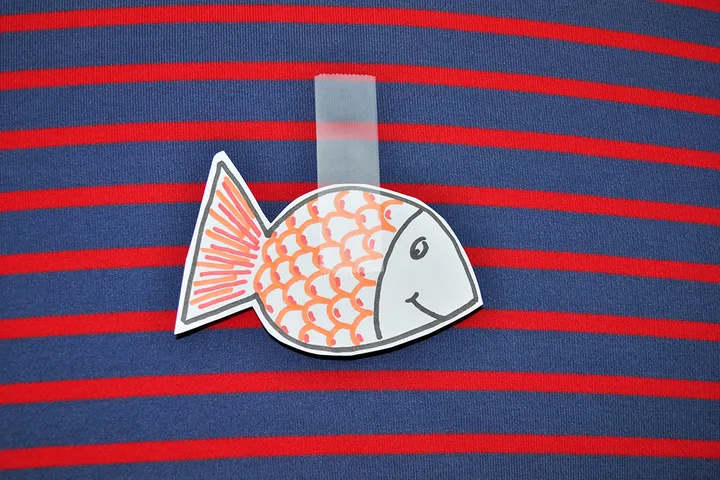
In France, April 1 is called poisson d’avril, which translates to “April fish.” By 1691, the term was already slang for a gullible person. The logic behind the fish connection: young fish are born in spring and are easy to catch, just like a trusting mark who’ll believe anything you tell them.
The French tradition is charmingly low-tech. Children cut out paper fish and tape them to the backs of unsuspecting victims. When the target finally discovers the fish, the prankster shouts “Poisson d’avril!” The custom spread to French-speaking neighbors — Quebec, Belgium, Switzerland — and even crossed the Alps into Italy, where it’s known as pesce d’Aprile.
In Britain, You Have Until Noon
The British have rules about this sort of thing. In the United Kingdom and many countries shaped by the former British Empire, April Fools’ pranks must land before noon. Pull one in the afternoon and, by local tradition, you become the fool — not your target.
The cutoff may trace back to Shig-Shag Day, a peculiar 17th-century British holiday observed on May 29. On that day, people wore oak sprigs in their hats to show loyalty to the Crown. Anyone who forgot was mocked all morning, but only until midday — the ridicule had a hard stop at noon. That tradition appears to have bled into April Fools’ celebrations as the holiday spread across the British Isles and beyond.
Scotland Turns It Into a Two-Day Sport
Scotland took what the English were doing and doubled it. April Fools’ caught on there during the 18th century under the name April Gowk, or Huntigowk. Gowk is the Scots word for a cuckoo, which doubled as regional slang for anyone dim enough to fall for a good prank. Day one, April 1, is devoted entirely to the fool’s errand.
The classic Scottish setup involves asking someone to deliver a sealed letter to a neighbor. Inside, the letter reads: “Dinna laugh, dinna smile. Hunt the gowk another mile.” The recipient is expected to hand the messenger another sealed envelope bearing the same message, sending them on a pointless loop until they finally wise up.
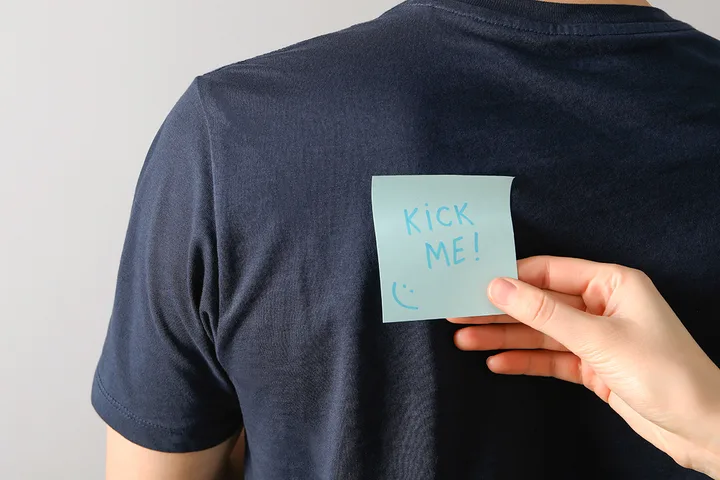
April 2 has its own name: Tailie Day. This is the day for affixing signs to people’s backs — “kick me,” “pull my pigtails,” and other humiliating classics. It is, essentially, the original sticky-note prank, practiced two centuries before office supply stores existed.
Spain Doesn’t Bother Until December
In Spain and across much of Latin America, April 1 is just a Tuesday. The prank holiday falls on December 28 — Día de los Santos Inocentes, or Day of the Holy Innocents. The date traces back to the biblical story of King Herod, who ordered the slaughter of infant boys after learning of Jesus’s birth. The “innocents” in that story gave the holiday its name, though the tone today is anything but solemn.
When a prank lands on Día de los Santos Inocentes, the prankster doesn’t cry “December fool” — they shout “¡Inocente, inocente!” Another tradition involves borrowing money or goods with absolutely no intention of returning them. Debts incurred on this day are considered fair game.
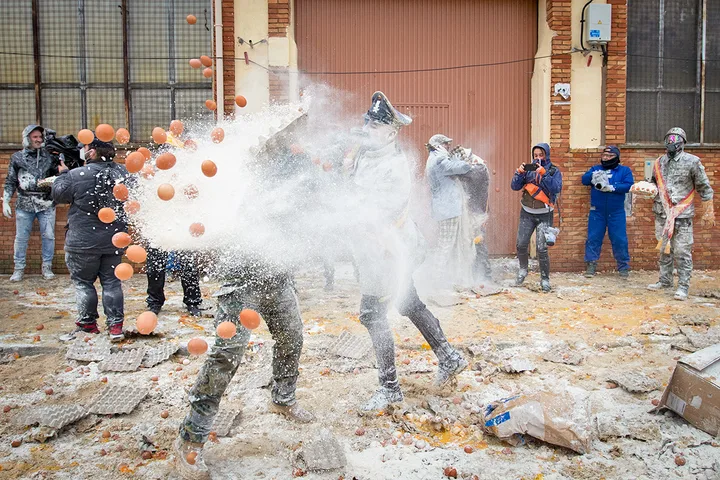
The most spectacular celebration happens annually in Ibi, a small town in Alicante. For more than 200 years, locals have staged a full-scale citywide food fight. Participants dress in military costume and hurl eggs, flour, and firecrackers at each other through the streets. It’s chaos, it smells terrible, and by all accounts it is one of the most genuinely unhinged traditions anywhere in the December calendar.