The Travel Credit Cards That Are Actually Worth Carrying Right Now

Stop Overthinking, Start Choosing
Hundreds of travel credit cards exist. Most of them are mediocre. A handful are genuinely good. The problem isn’t finding a card — it’s cutting through the noise to find the one that fits how you actually live and travel.
Here’s the honest truth: there is no single best card. There’s only the best card for you. Someone who flies Delta every week needs different plastic in their wallet than someone who takes two international trips a year and wants to keep things simple. Figure out your goal first — free flights, lounge access, no foreign transaction fees — then pick accordingly.
That said, some cards are clearly better than others. These are the ones worth your attention right now.
The Gold Standard for Foodies Who Fly
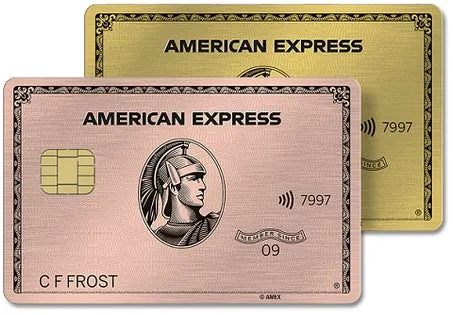
The American Express Gold Card punches hard for anyone who eats out regularly or buys groceries in the US. The rewards rate at restaurants worldwide and US supermarkets is among the best in the industry, and the travel perks layered on top make it genuinely useful beyond the dinner table.
New cardholders may be eligible for as high as 100,000 Membership Rewards points after spending $8,000 in eligible purchases in the first six months — welcome offers vary and eligibility isn’t guaranteed. The annual fee stings until you start using the statement credits, which can offset a significant chunk of it. Use them consistently and this card essentially pays to keep itself.
The Easiest Card to Actually Use

The Capital One Venture Rewards Credit Card is refreshingly uncomplicated. Earn miles on everything, transfer them to partners, or use them to erase travel purchases from your statement. No complex category tracking. No airline allegiance required.
The one-time bonus of 75,000 miles after spending $4,000 in the first three months is worth $750 in travel — a strong return on a card with a relatively low annual fee. For travelers who don’t want to micromanage their spending categories, this card delivers serious value without the homework.
For People Who Travel Like It’s a Sport
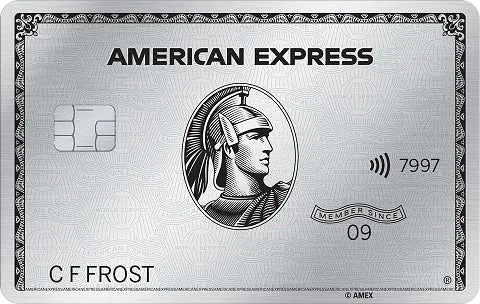
The American Express Platinum Card is a different animal entirely. The annual fee is steep — there’s no sugarcoating it. But for frequent travelers who use the full suite of benefits, it can more than pay for itself. Lounge access through the Global Lounge Collection is legitimately world-class. Elite status perks at hotels, enrollment required, can transform a standard room into something significantly better.
New applicants may be eligible for as high as 175,000 Membership Rewards points after spending $12,000 in the first six months, though welcome offers vary. The statement credits — covering things like hotel stays, streaming, and airline fees — are numerous enough that using them all feels like a part-time job. A rewarding one.
The Best First Serious Travel Card

The Chase Sapphire Preferred is where most serious travel hackers start. It earns transferable Ultimate Rewards points, which are among the most flexible points currencies in existence — redeemable through Chase’s travel portal or transferred to a growing list of airline and hotel partners.
The current offer: 75,000 bonus points after spending $5,000 in the first three months. The annual fee is modest compared to premium cards, and the earning rates on travel and dining are strong. Think of it as the card that teaches you how the rewards game works, while actually being good enough to keep using once you’ve learned.
Play Multiple Cards, Win More Points
One card is rarely the optimal play. Most savvy travelers carry two or three, each one optimized for different spending categories. Chase for travel and restaurants, Amex Gold for groceries and dining, a co-branded airline card for status perks on a preferred carrier. The points stack up faster than you’d expect when every dollar lands on the highest-earning card.
The trap to avoid: spreading points across too many programs until none of them reaches redemption-worthy levels. Pick two or three cards, stick to two or three loyalty programs, and actually accumulate enough to do something meaningful with.